What Are the Antimicrobial Compounds in Bergamot Oil and How Do They Work?

Close-up of a glass bottle of pale yellow bergamot essential oil beside dried bergamot citrus peel on a wooden surface.

Bergamot essential oil is 93–96% volatile compounds — limonene alone reaches up to 53% of that and damages E. coli cell membranes in lab conditions. The concentrations required would make Earl Grey undrinkable. Bergamot oil, the citrus extract responsible for Earl Grey tea’s distinctive flavor, contains compounds that disrupt and destroy bacterial cell membranes in … Read more

Why Do Birds Crowd Feeders Before a Storm?

A cardinal and two finches crowding a backyard bird feeder on a clear day with no visible clouds or wind.

Cardinals and finches detect pressure shifts as small as 10–20 mm H₂O — through a fluid-filled middle-ear chamber — up to 24 hours before rain arrives. The storm hasn’t formed. The bird already knows. Birds crowding a feeder before a storm are not reacting to clouds or wind — they are responding to a pressure … Read more

Does Crushing Citronella Grass Actually Release Mosquito-Repelling Oil?

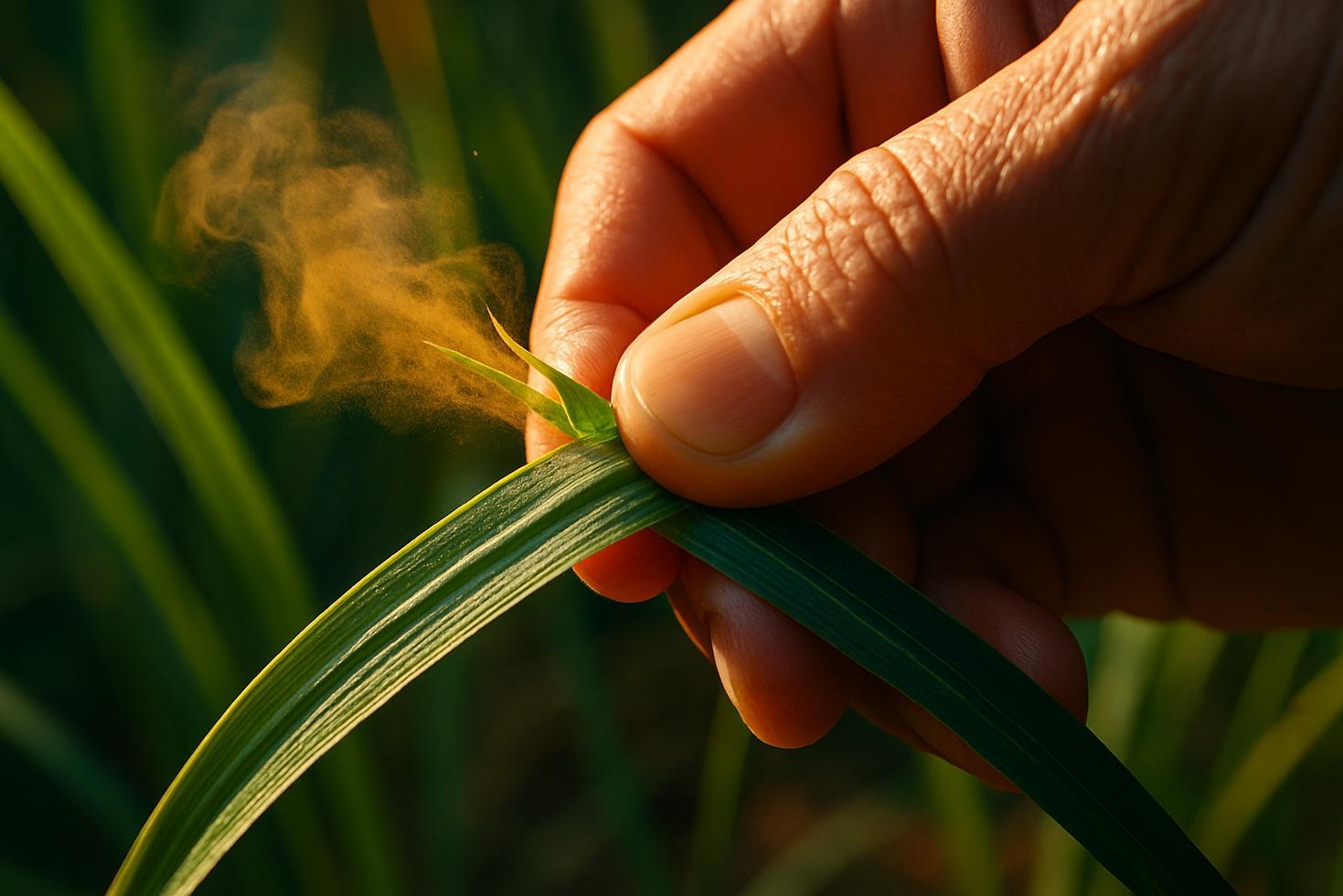
Close-up of bruised citronella grass leaves releasing visible oil droplets against a blurred green background

Citronella grass releases nearly zero repellent from intact leaves — bruising breaks cell walls, flooding the air with citronellal that disrupts a mosquito’s sense of smell within a 30-minute to 2-hour window before fully evaporating. An intact citronella grass plant releases almost no repellent into the surrounding air. The oils stay locked inside leaf tissue … Read more

Why Does Catnip Repel Mosquitoes — and Does It Have to Be Crushed?

Close-up of a crushed catnip leaf with small oil-bearing glands visible on the surface, releasing visible moisture.

Catnip’s nepetalactone sits locked in oil pockets beneath the leaf surface. One crushed stem floods the air in seconds. Unbruised, the plant is chemically silent. Catnip releases its mosquito-repelling compound, nepetalactone, only when the plant is physically disturbed — not by simply sitting undisturbed in a garden. That single mechanical fact separates a working repellent … Read more

How Does Spider Silk Help a Hummingbird Nest Expand as Chicks Grow?

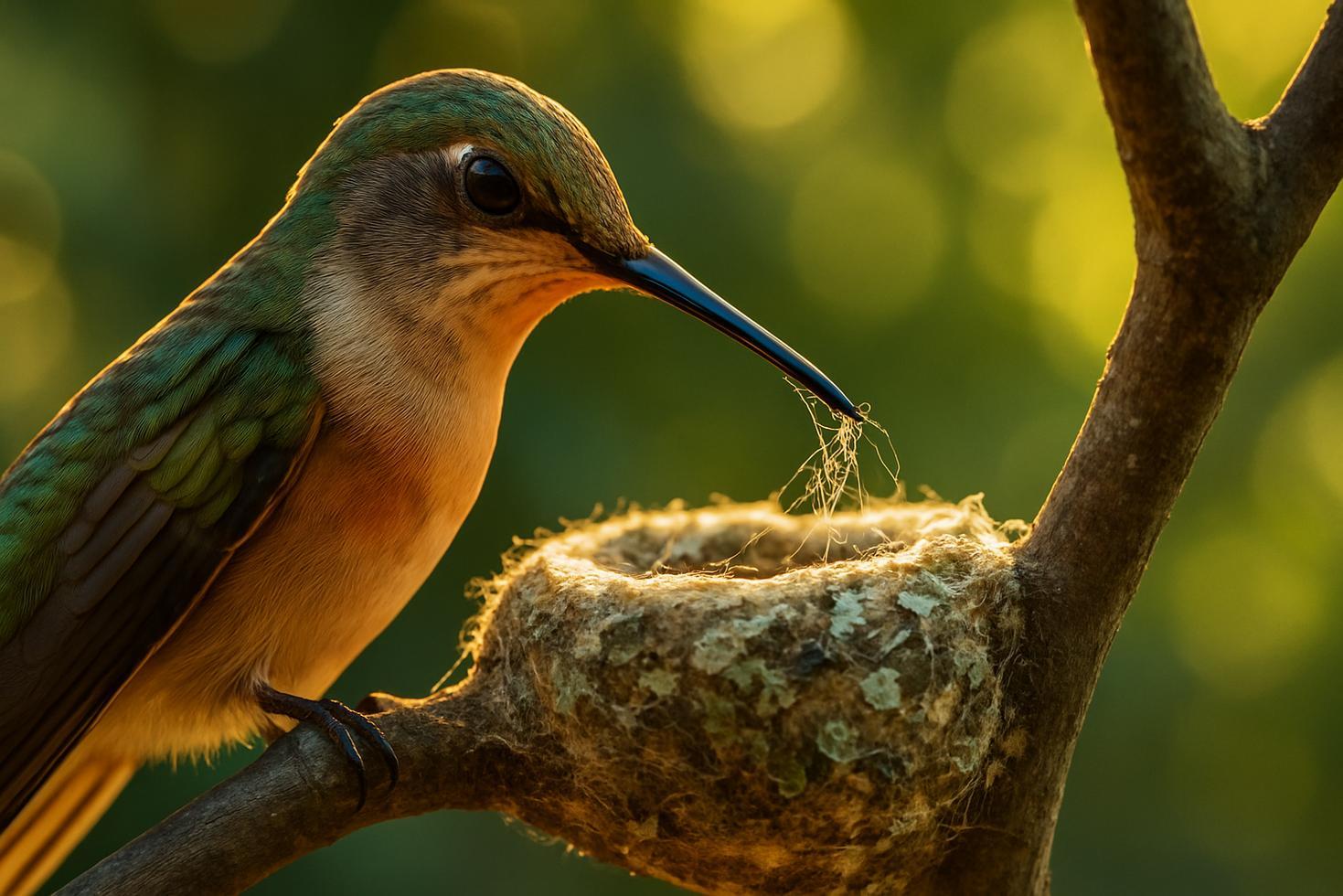
Female ruby-throated hummingbird perched on a small cup-shaped nest wrapped in spider silk on a thin branch.

Spider dragline silk stretches up to 42% of its length at high humidity — and a hummingbird nest needs every bit of that give as chicks triple the space inside. Female Ruby-throated hummingbirds wrap their nests in spider dragline silk so the structure can physically expand as chicks grow, accommodating double or triple the original … Read more

How Does Sage Repel Mosquitoes, and Does It Actually Work?

Close-up of sage leaf surface showing tiny dome-shaped glandular trichomes glistening under light against green leaf tissue.

Sage’s volatile oils sit sealed inside microscopic leaf glands — a sage and patchouli combination delivered 270 minutes of median protection against Aedes dirus mosquitoes, but species, formulation, and extraction method all shift that number significantly. Sage essential oils can disrupt mosquito host-seeking behavior by acting on chemoreceptors in the antennae, maxillary palps, and other … Read more

How Does Lamb’s Ear Work as a Natural Wound Dressing?

Close-up of soft, silver-gray lambs ear leaves showing dense woolly hair texture against a garden background.

Lab studies confirmed lamb’s ear extract showed antimicrobial activity against vancomycin-resistant Staphylococcus aureus — the Staph strain that survives medicine’s last-resort antibiotic. Lamb’s ear (Stachys byzantina) does two separate jobs at once: its dense woolly hairs physically absorb blood and press against a wound to help it clot, while compounds inside the leaf suppress bacterial … Read more

What Is Achilleine, and Why Did Ancient Soldiers Carry Yarrow Into Battle?

Close-up of white yarrow flower clusters with finely divided feathery green leaves growing low in a grassy lawn.

Yarrow’s alkaloid achilleine cut clotting time by 32% at just 0.5 mg per kilogram. Soldiers packed it into wounds for centuries. The chemistry was real before the lab existed. Yarrow (Achillea millefolium) contains an alkaloid called achilleine that reduces blood clotting time by 32% at a dose of 0.5 mg per kilogram of body weight, … Read more

Does Catnip Really Repel Mosquitoes, and How Does It Compare to DEET?

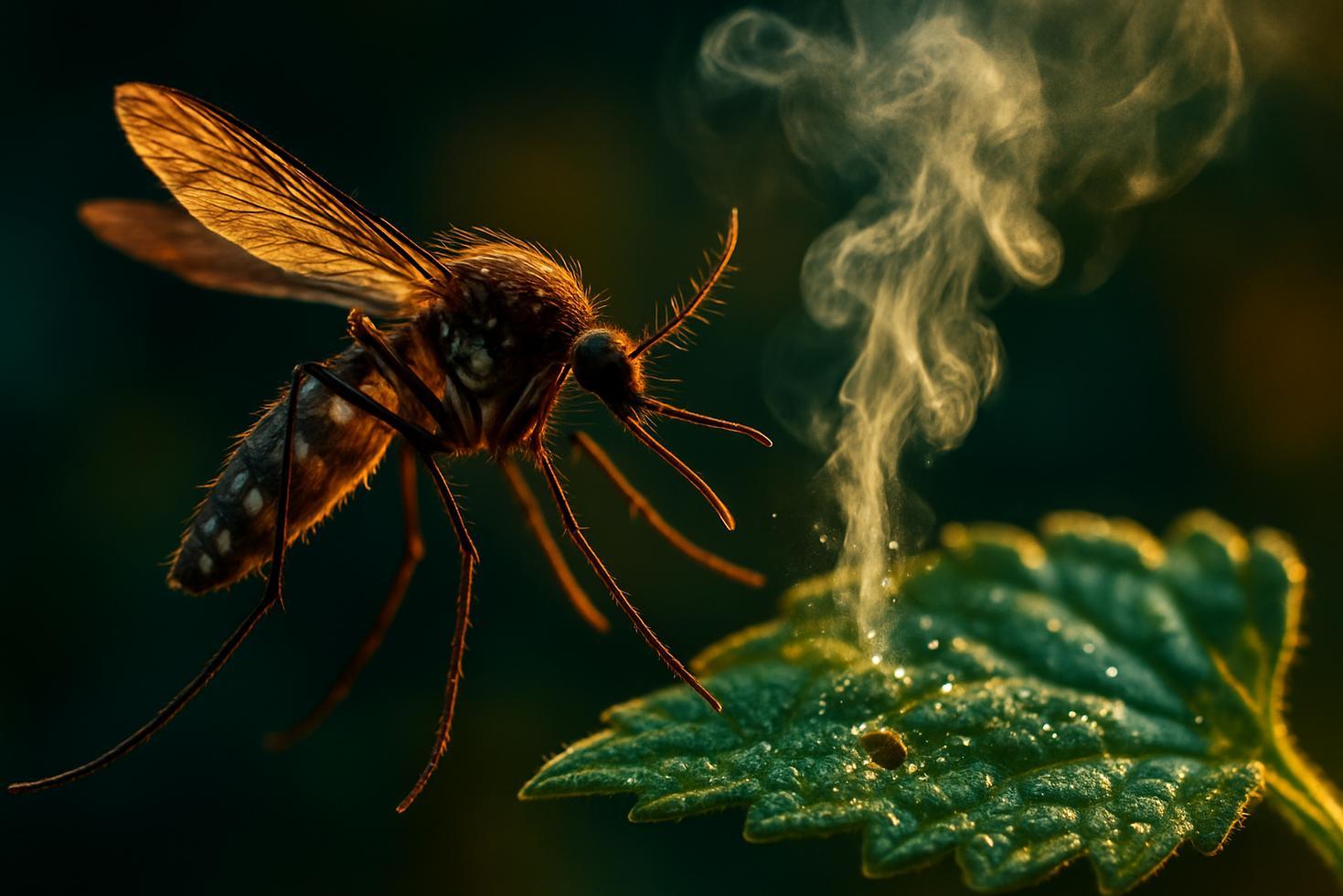
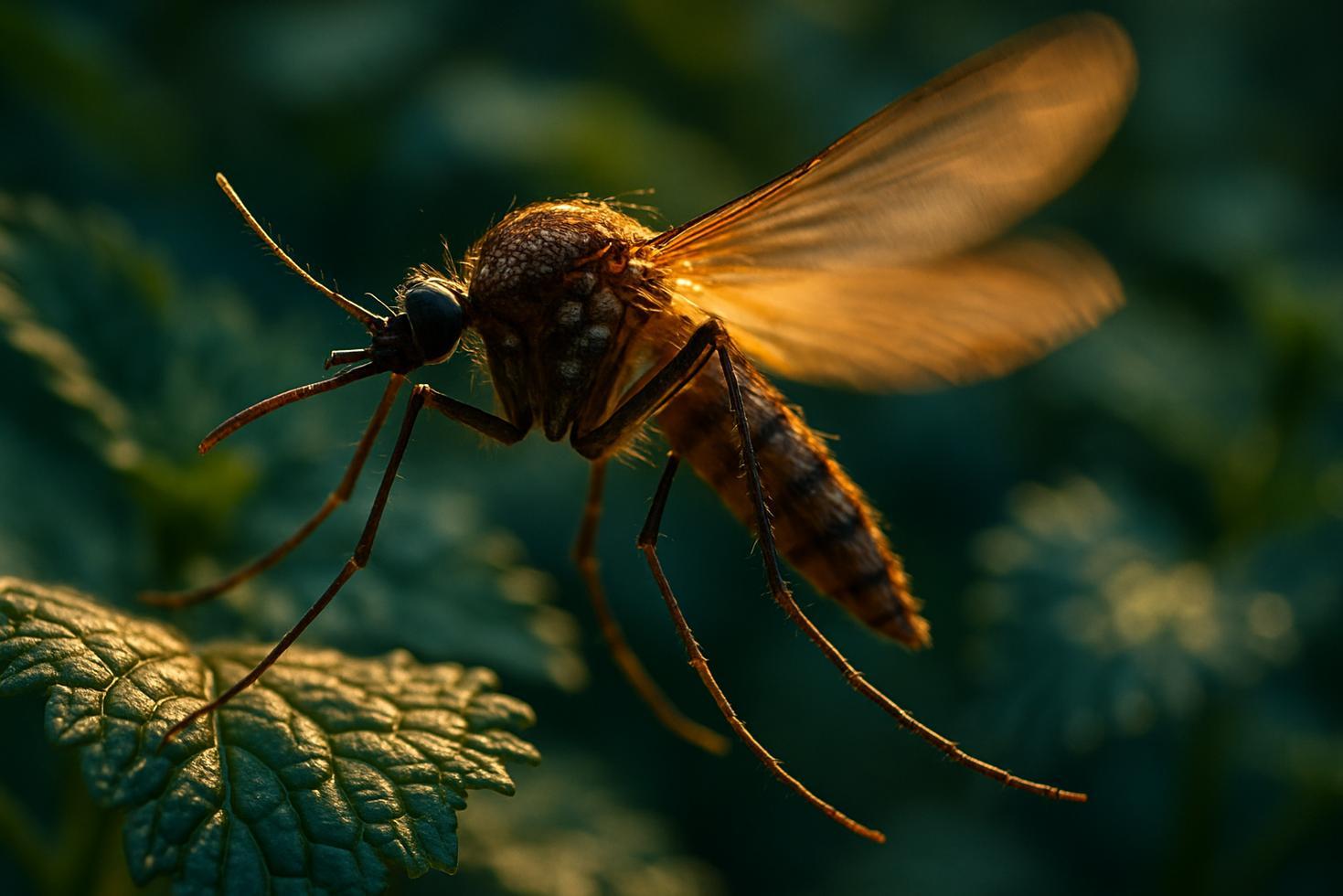
Close-up of catnip plant leaves with a mosquito in the foreground, illustrating natural insect repellency research.

Catnip’s nepetalactone fires a pain receptor in mosquito neurons. A 6% catnip oil lotion matched 15% DEET across a 4-hour field test — at less than half the concentration. Catnip’s nepetalactone repels mosquitoes by activating TRPA1, an irritant chemoreceptor in insect sensory neurons that triggers an aversive pain-like response. That’s a different mechanism entirely from … Read more

How Does the National Park Service Protect Synchronous Fireflies at Elkmont?

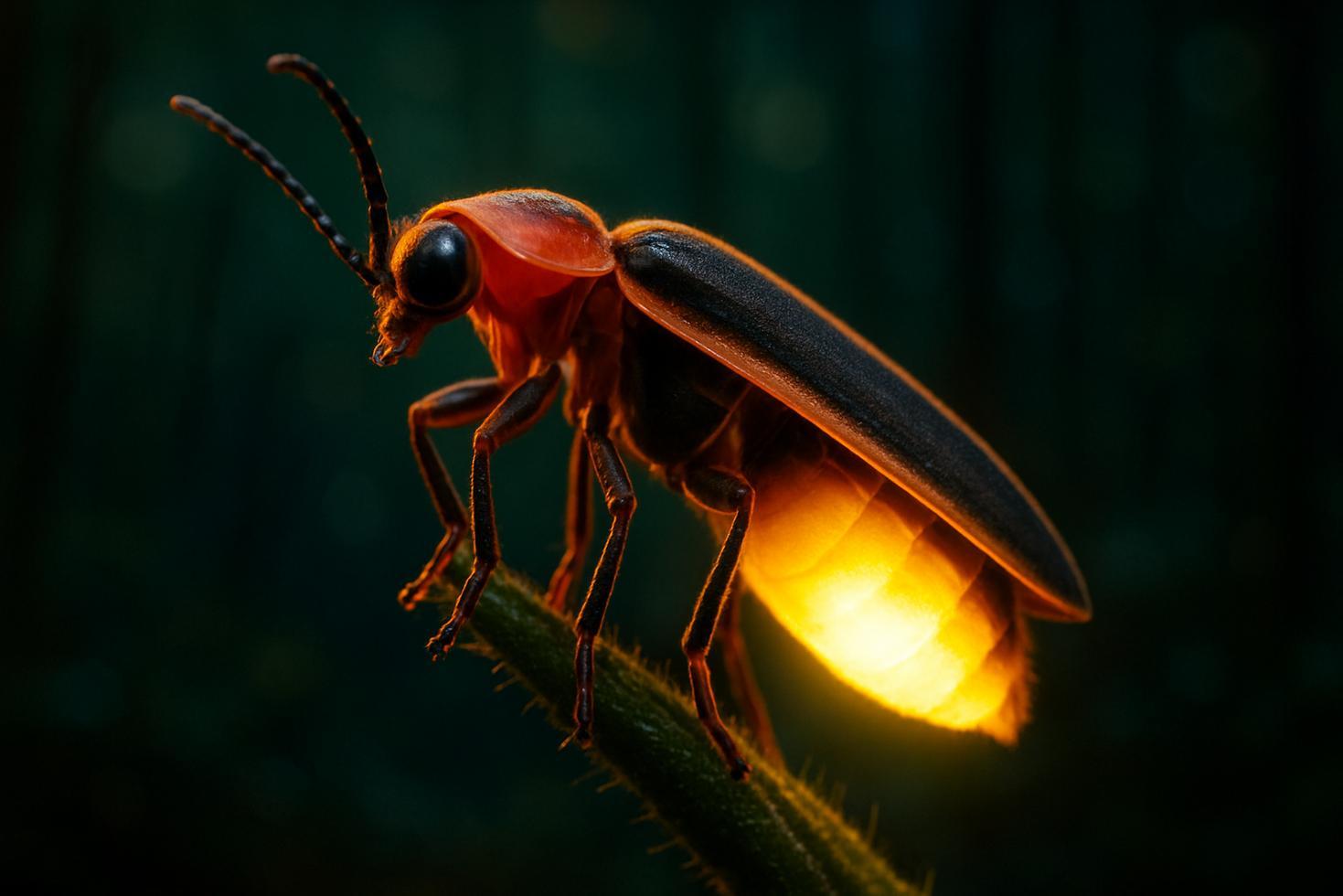
Synchronous Photinus carolinus fireflies creating coordinated light pulses among dark forest trees at Elkmont, Tennessee.

19 firefly species share the same Smoky Mountains forest — yet Photinus carolinus compresses its entire mating window into 8–10 nights, just 60–90 minutes after dark. Elkmont’s synchronous firefly display depends on a mating signal so time-compressed that a single bad night of disturbance can erase an entire season’s reproductive opportunity. That biological reality is … Read more