How Does Lamb’s Ear Work as a Natural Wound Dressing?
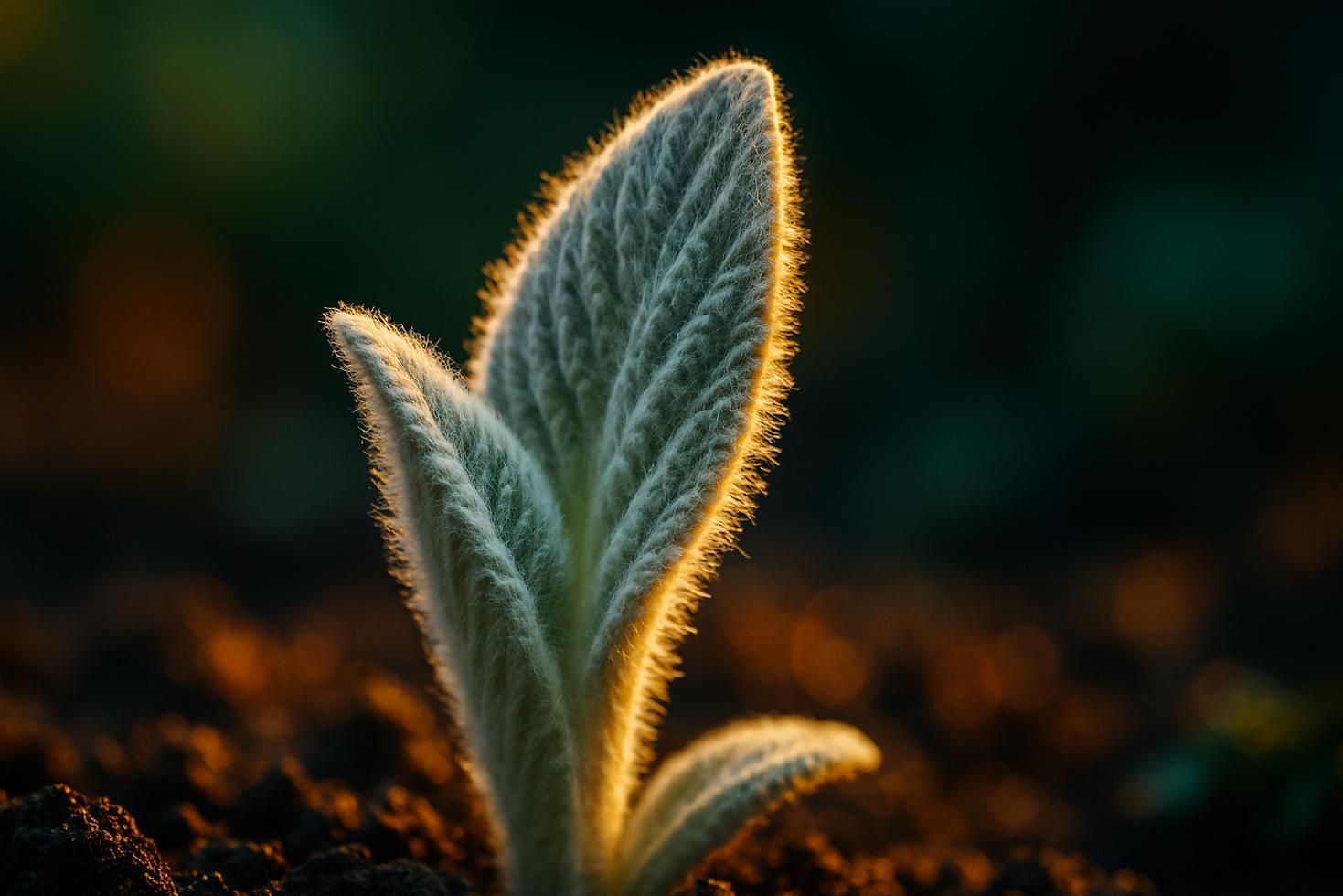
Close-up of soft, silver-gray lambs ear leaves showing dense woolly hair texture against a garden background.

Lab studies confirmed lamb’s ear extract showed antimicrobial activity against vancomycin-resistant Staphylococcus aureus — the Staph strain that survives medicine’s last-resort antibiotic. Lamb’s ear (Stachys byzantina) does two separate jobs at once: its dense woolly hairs physically absorb blood and press against a wound to help it clot, while compounds inside the leaf suppress bacterial … Read more
How Does Sage Repel Mosquitoes, and Does It Actually Work?

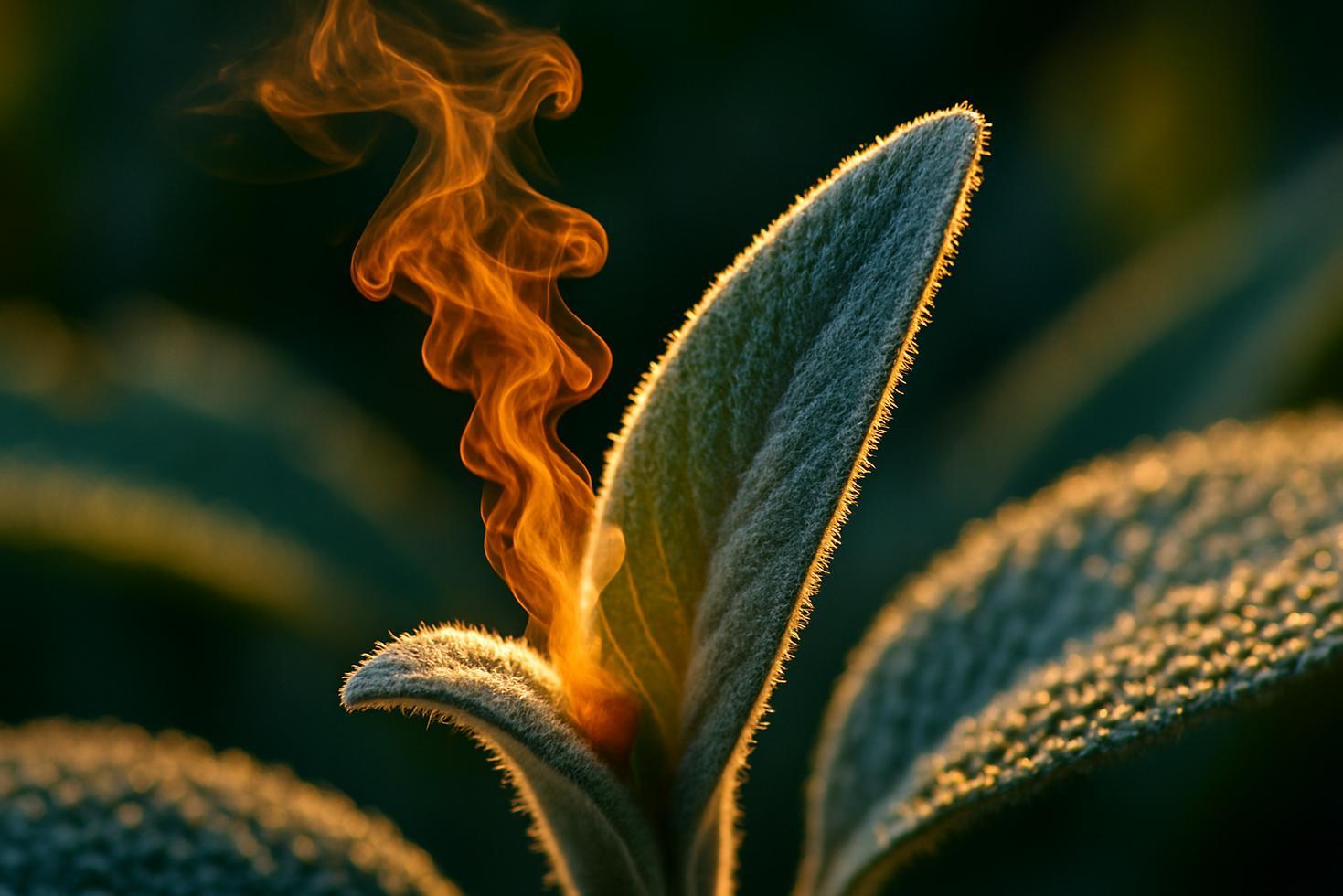
Close-up of sage leaf surface showing tiny dome-shaped glandular trichomes glistening under light against green leaf tissue.

Sage’s volatile oils sit sealed inside microscopic leaf glands — a sage and patchouli combination delivered 270 minutes of median protection against Aedes dirus mosquitoes, but species, formulation, and extraction method all shift that number significantly. Sage essential oils can disrupt mosquito host-seeking behavior by acting on chemoreceptors in the antennae, maxillary palps, and other … Read more

How Does Spider Silk Help a Hummingbird Nest Expand as Chicks Grow?

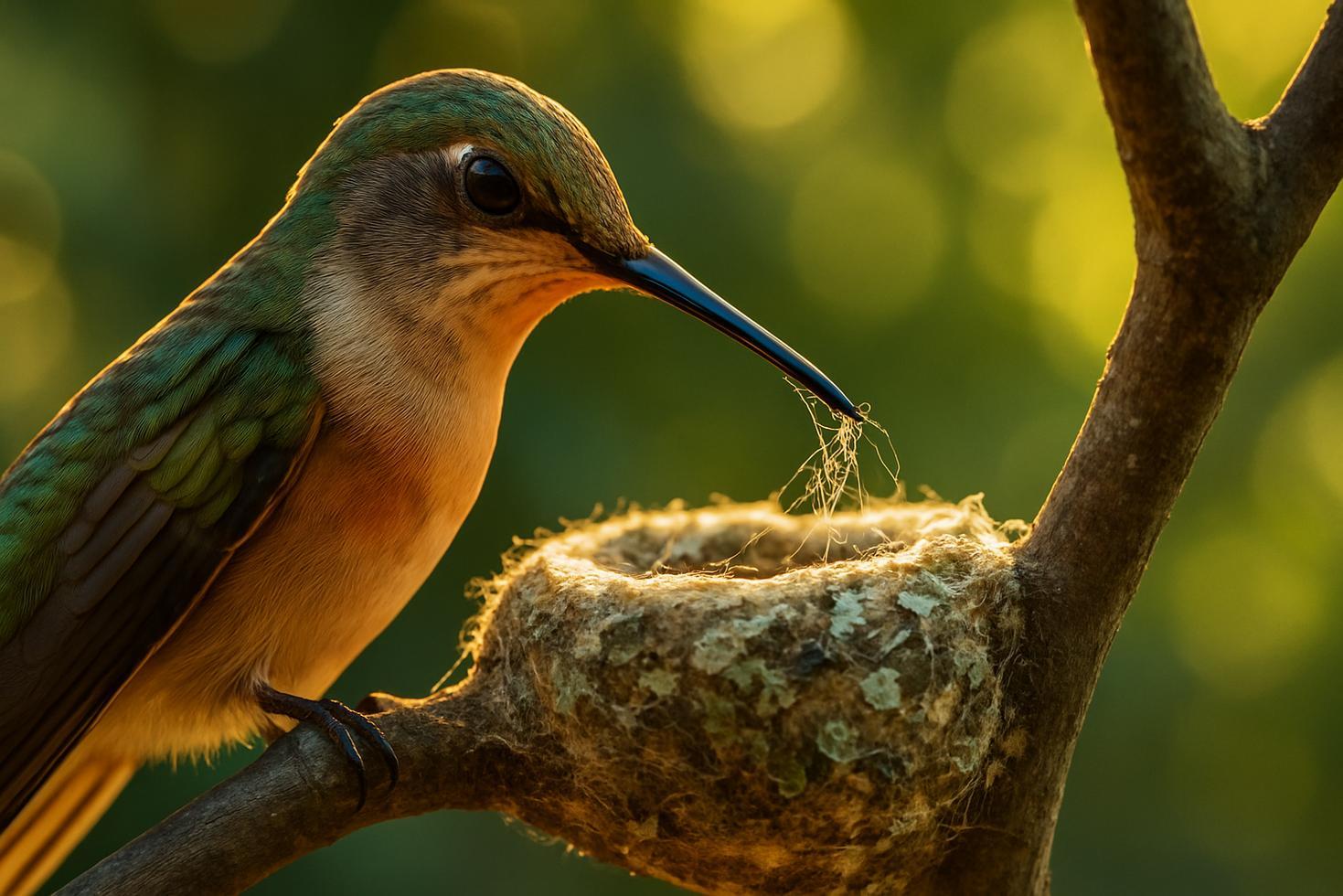
Female ruby-throated hummingbird perched on a small cup-shaped nest wrapped in spider silk on a thin branch.

Spider dragline silk stretches up to 42% of its length at high humidity — and a hummingbird nest needs every bit of that give as chicks triple the space inside. Female Ruby-throated hummingbirds wrap their nests in spider dragline silk so the structure can physically expand as chicks grow, accommodating double or triple the original … Read more

How Did Genetic Rescue Pull Florida Panthers Back From the Brink?

A Florida panther walking through a concrete wildlife underpass tunnel beneath a highway at night, captured on camera.

8 Texas females released in 1995. A population of 20–30 inbred cats climbed past 200. The bloodline didn’t just survive — it rebuilt itself. In 1995, wildlife managers released eight female Texas pumas into south Florida, crossing them with a Florida panther population so genetically depleted it numbered roughly 20–30 individuals. The results reshaped what … Read more

Do Tarantulas Share Their Burrows With Frogs?

A small brown microhylid frog sits near the entrance of a dark earthen tarantula burrow in South American soil.

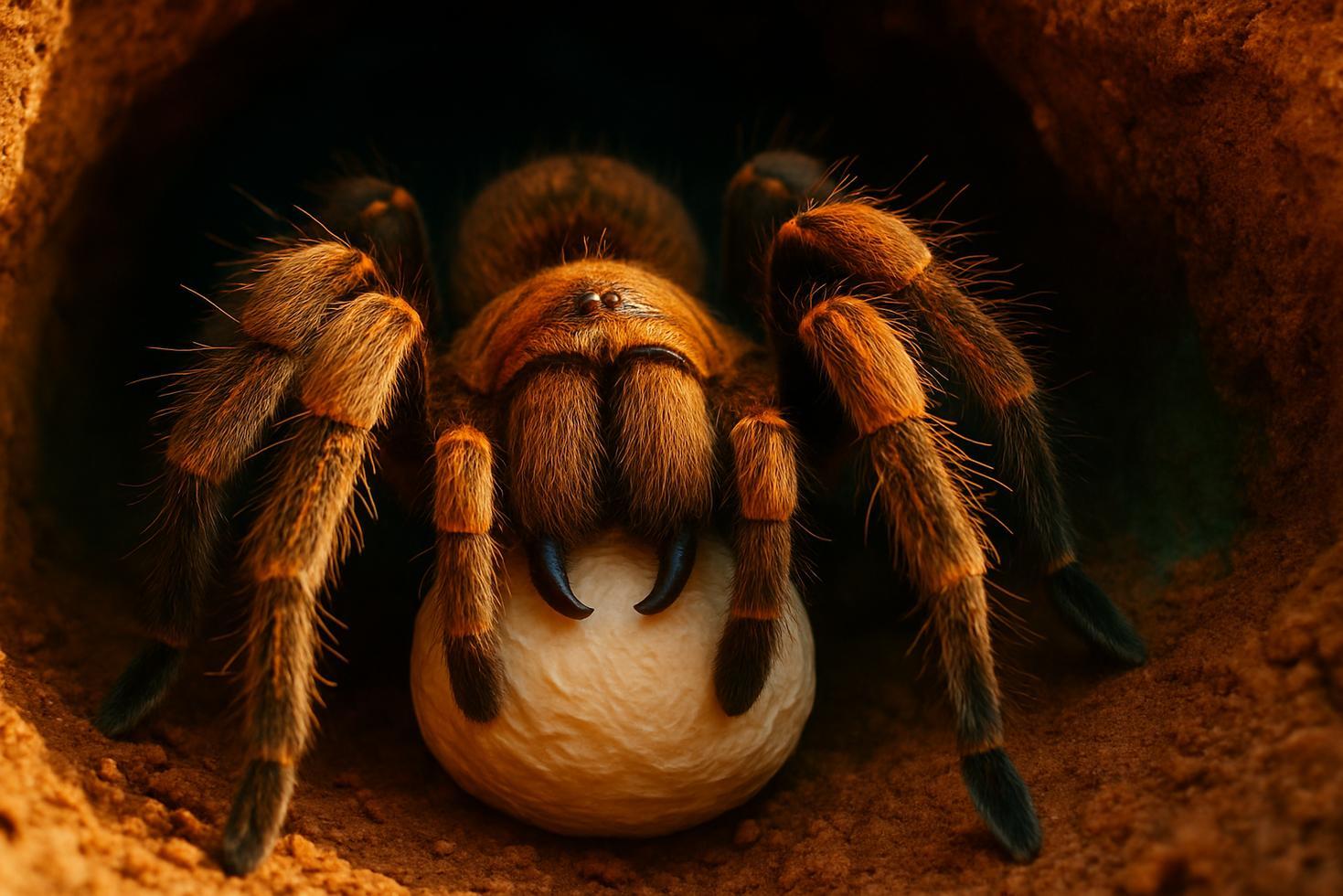
Some burrowing tarantulas — particularly Xenesthis species — cohabit with microhylid frogs whose skin chemicals the spider simply doesn’t register as prey. The frog eats egg-raiding ants. Neither animal chose the arrangement. Some burrowing tarantulas do cohabit with small microhylid frogs, and the relationship benefits both animals. It sounds implausible — a spider that could … Read more

Can a Texas HOA Ban Rain Barrels or Rainwater Harvesting Systems?

A brown plastic rain barrel connected to a residential downspout beside a brick home with a garden bed below.

Texas HOAs cannot ban rain barrels outright — a 2011 state law voids any HOA rule that tries to prohibit them, covering an estimated 3.7 million HOA-governed households statewide. Texas Property Code Section 202.007, effective September 1, 2011, prohibits property owners’ associations from banning or restricting the installation of rain barrels and rainwater harvesting systems … Read more

How Do Nasturtiums Work as a Trap Crop for Aphids?

Close-up of nasturtium leaves and stems densely covered with small black and green aphids clustering along the veins.

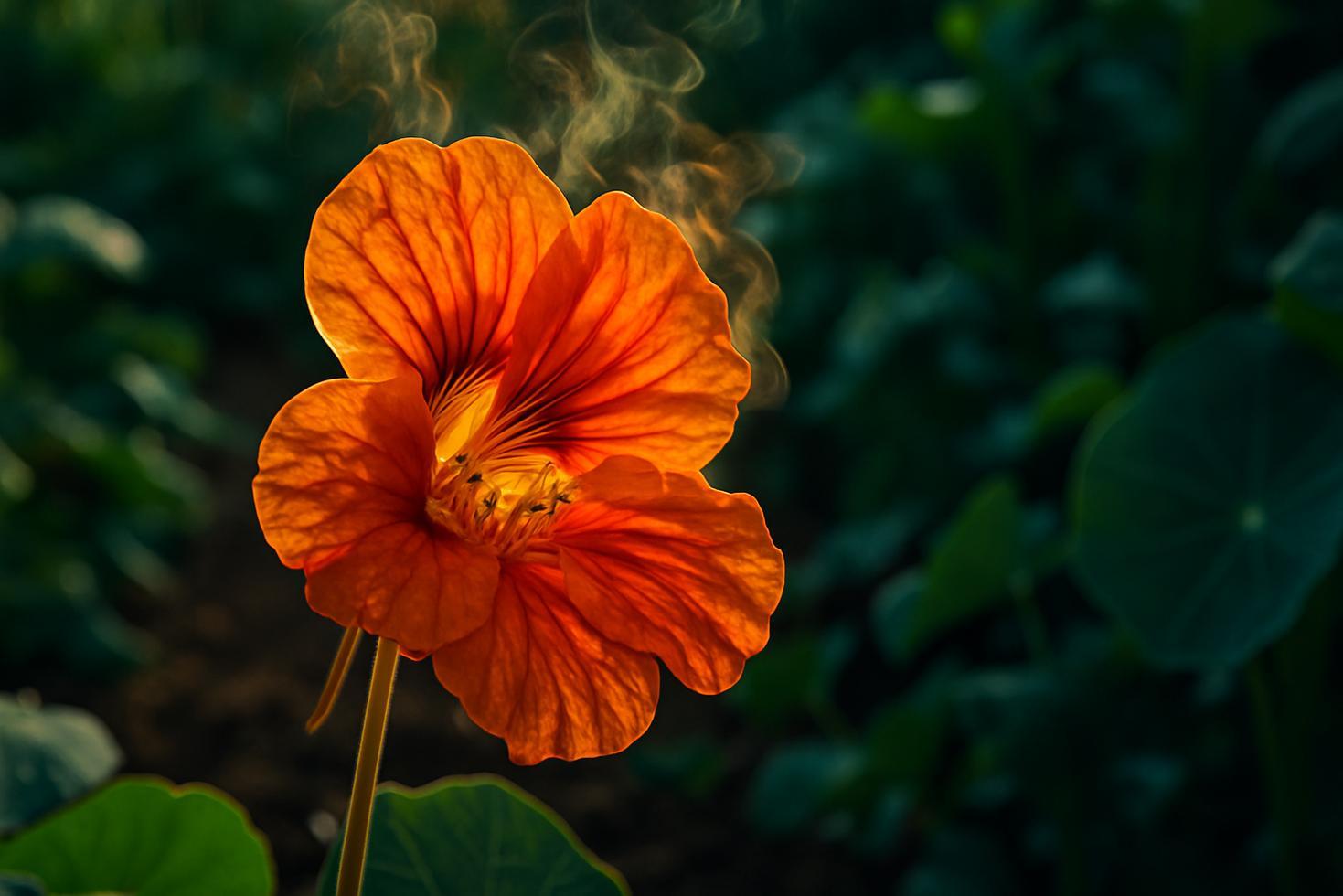
Nasturtium leaves hold up to 3.8 mg/g of a glucosinolate aphids can smell from feet away — planted 7–10 days early, that signal cuts aphid load on adjacent lettuce by 68%. The bait becomes the bodyguard. Nasturtiums attract aphids rather than repel them, and that attraction is the entire mechanism. The plant’s leaves contain gluconasturtiin … Read more

How Do Marigold Roots Kill Nematodes and Repel Insects Underground?

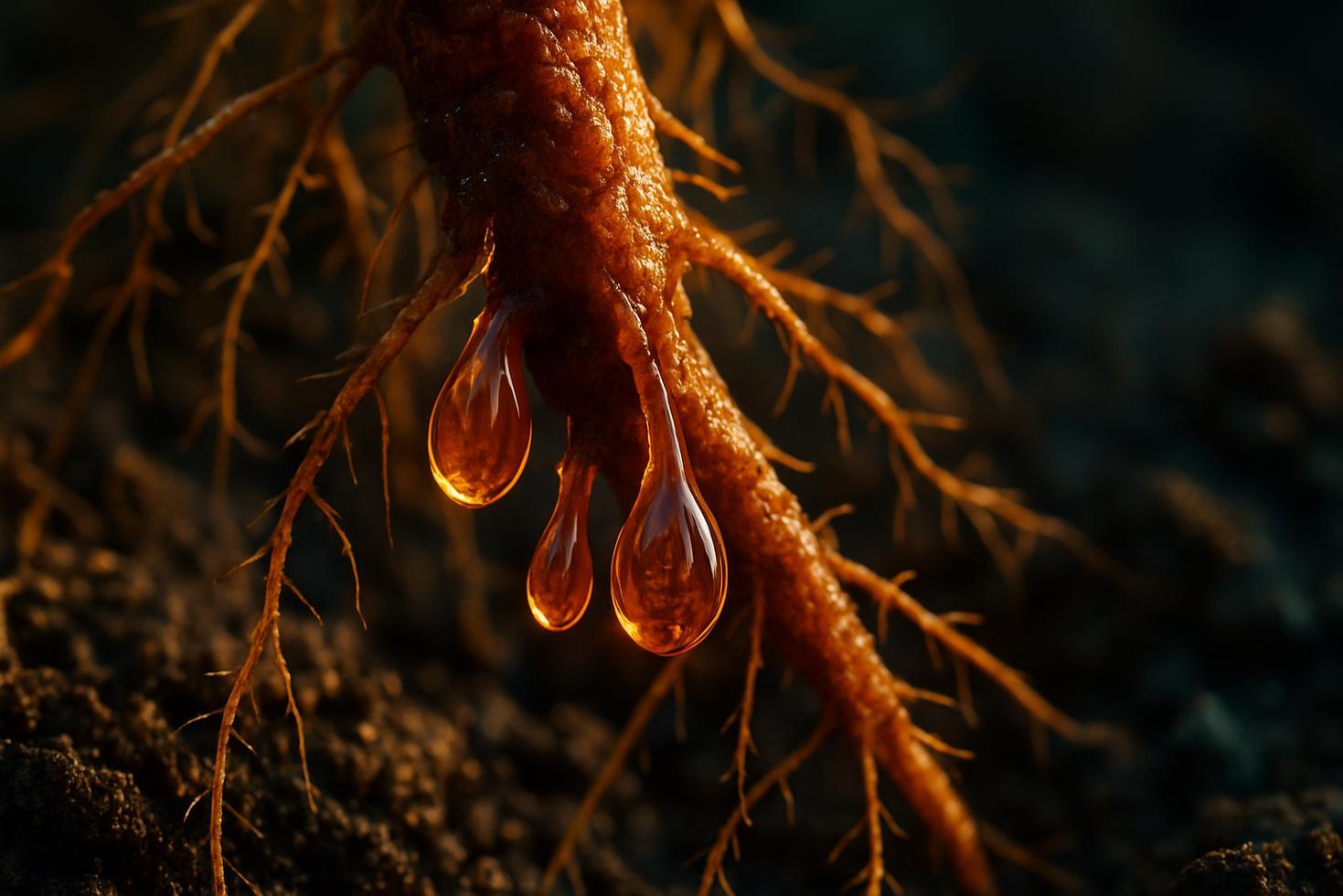
Close-up of French marigold root tips in dark soil, showing fine root structures against an earthy background.

Marigold root tips hold 5 μmol/g of thiophene — 25 times the level in attached roots. Output climbs steadily from day 15 to day 36. The prettiest plant runs two chemical operations at once. French marigold (Tagetes patula) roots produce sulfur-based compounds called thiophenes that kill nematodes, fungi, and bacteria on contact. That’s not gardening … Read more