What Makes Dandelion Greens More Nutritious Than Spinach or Romaine?
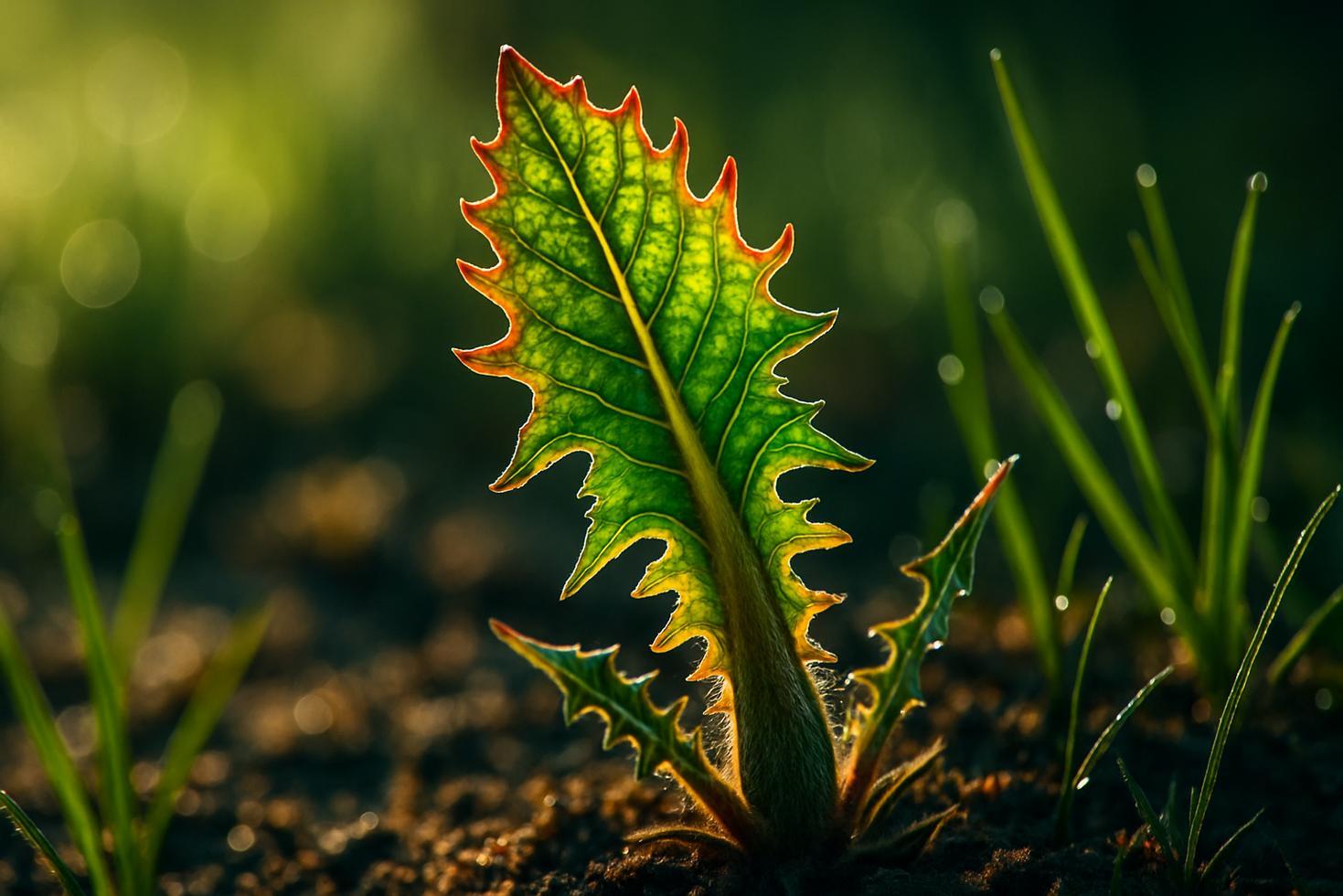
Close-up of fresh dandelion greens with jagged leaves showing deep green color, arranged on a wooden surface.

One cup of raw dandelion greens contains 3,656 mcg of lutein and zeaxanthin — compounds that accumulate in the retina — plus 150 mcg of vitamin K, all in a plant most people spray with herbicide. Dandelion greens (Taraxacum officinale) contain more lutein and zeaxanthin per cup than most cultivated salad greens provide in an … Read more
How Much Does Horseshoe Crab Blood Harvesting Actually Cost the Animal?

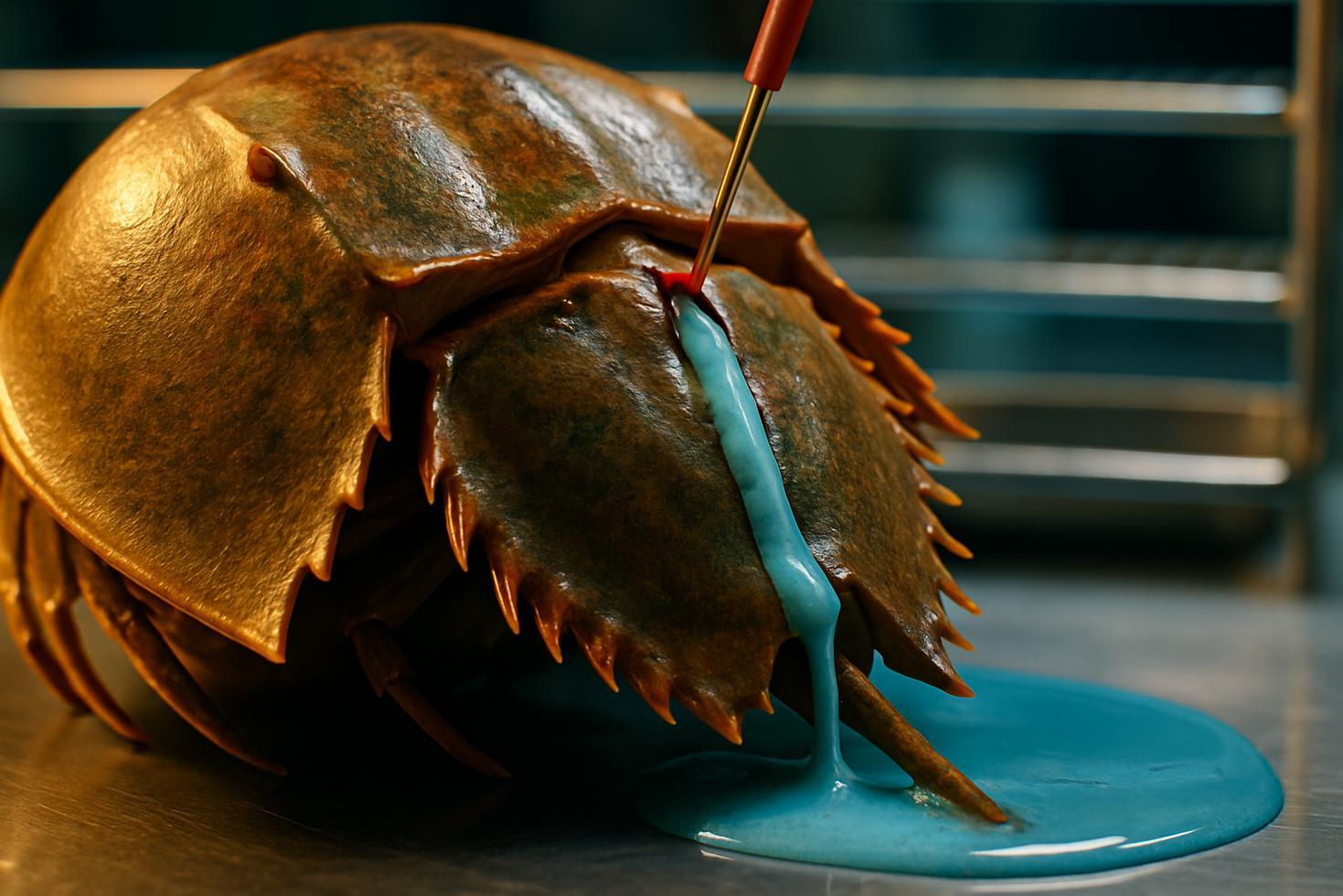
Horseshoe crab flipped on its back during biomedical bleeding, stainless steel collection vessel visible beneath pale blue blood.

500,000 crabs bled each year — females bleed during peak spawning stress — and roughly 130,000 die before returning to the water. Atlantic horseshoe crab blood contains a compound called LAL that detects bacterial endotoxins at one part per trillion, a sensitivity no laboratory test could match before the 1970s. That single biological fact turned … Read more

What Do Plum Polyphenols Actually Do to Cancer Cells in Lab Studies?

Cross-section of a fresh dark-skinned plum beside a small pile of dried prunes on a white surface.

Dried plums concentrate polyphenols to ~1,195 mg per 100 g — and in A549 lung cell experiments, that chemistry interrupted a cancer cell’s survival signal until the cell dismantled itself. Polyphenols extracted from plum pomace triggered programmed cell death in human lung adenocarcinoma A549 cells by suppressing a key survival pathway. That finding comes from … Read more

How Does Rosmarinic Acid From Rosemary Interact With the Blood-Brain Barrier?

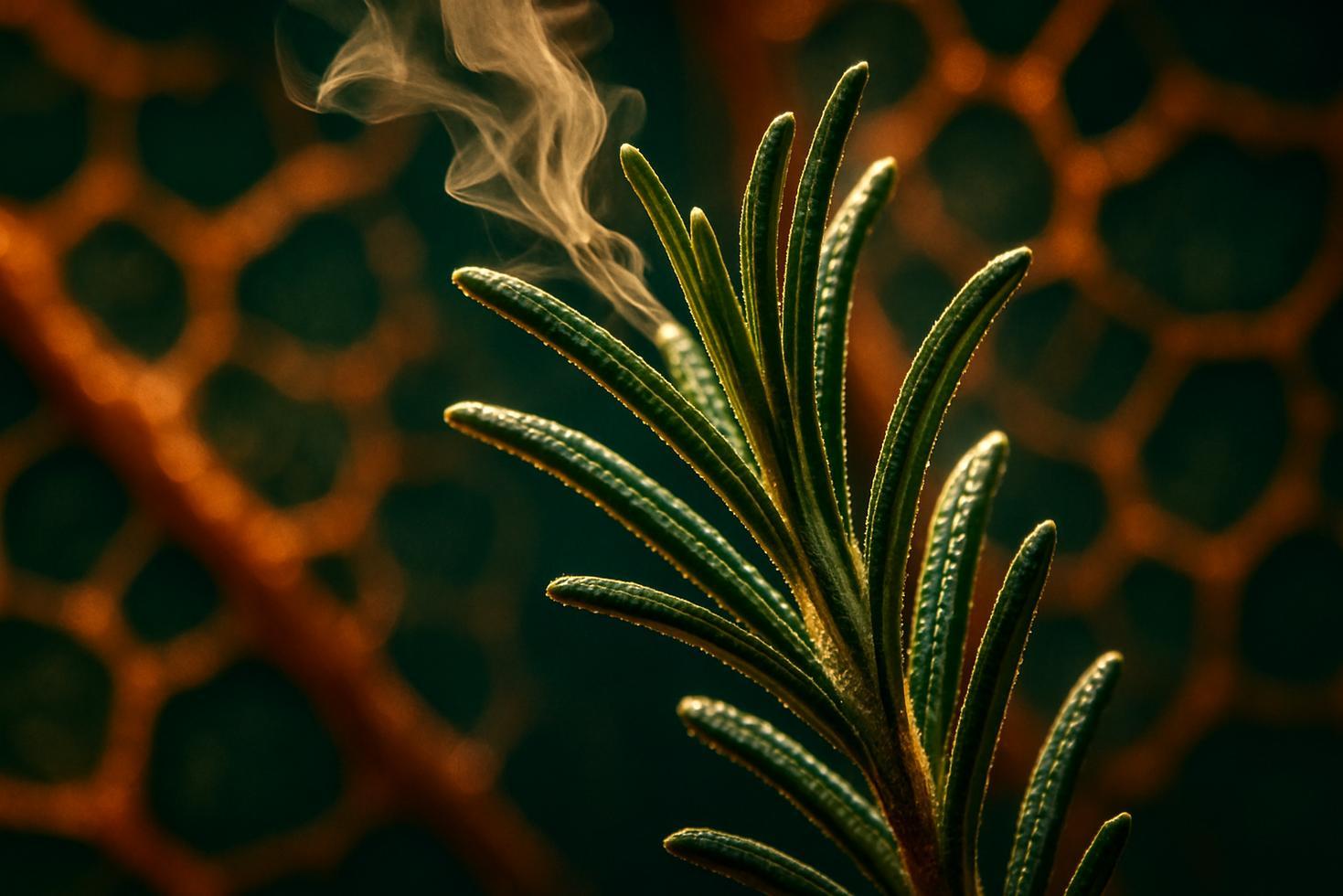
Close-up of fresh rosemary sprigs beside a diagram illustration of the blood-brain barrier with nanoparticles.

Rosemary’s rosmarinic acid peaks in the bloodstream in under 30 minutes — then the blood-brain barrier stops most of it cold. Scientists now build nanoparticles just to carry it across. Rosmarinic acid from rosemary absorbs into the bloodstream rapidly, reaching peak plasma concentrations around 30 minutes after oral intake, but the blood-brain barrier blocks most … Read more

How Do Plants Like Catnip Actually Stop Mosquitoes From Finding a Host?

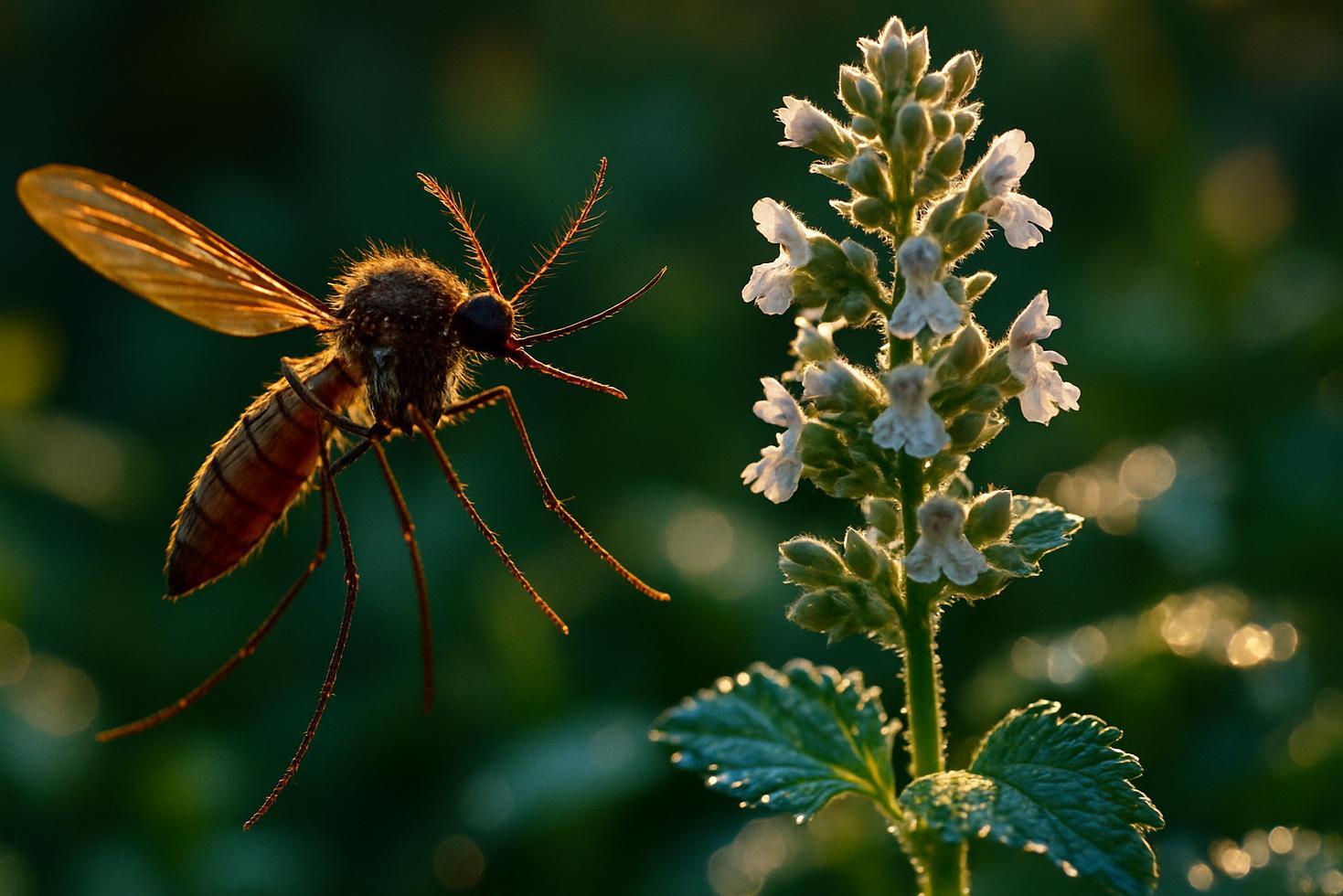
Close-up of catnip plant with small white and purple flowers, with a mosquito hovering near the leaves in soft natural light.

Catnip’s nepetalactone outperformed DEET at equivalent concentrations in a 2001 lab study — not by overwhelming the mosquito, but by cutting off the signal entirely. Certain aromatic plants contain volatile oils that interfere directly with the olfactory receptors mosquitoes use to detect a living host. That interference isn’t about overwhelming a mosquito with a strong … Read more

Why Do Plants Green Up After a Thunderstorm but Not After Watering with a Hose?

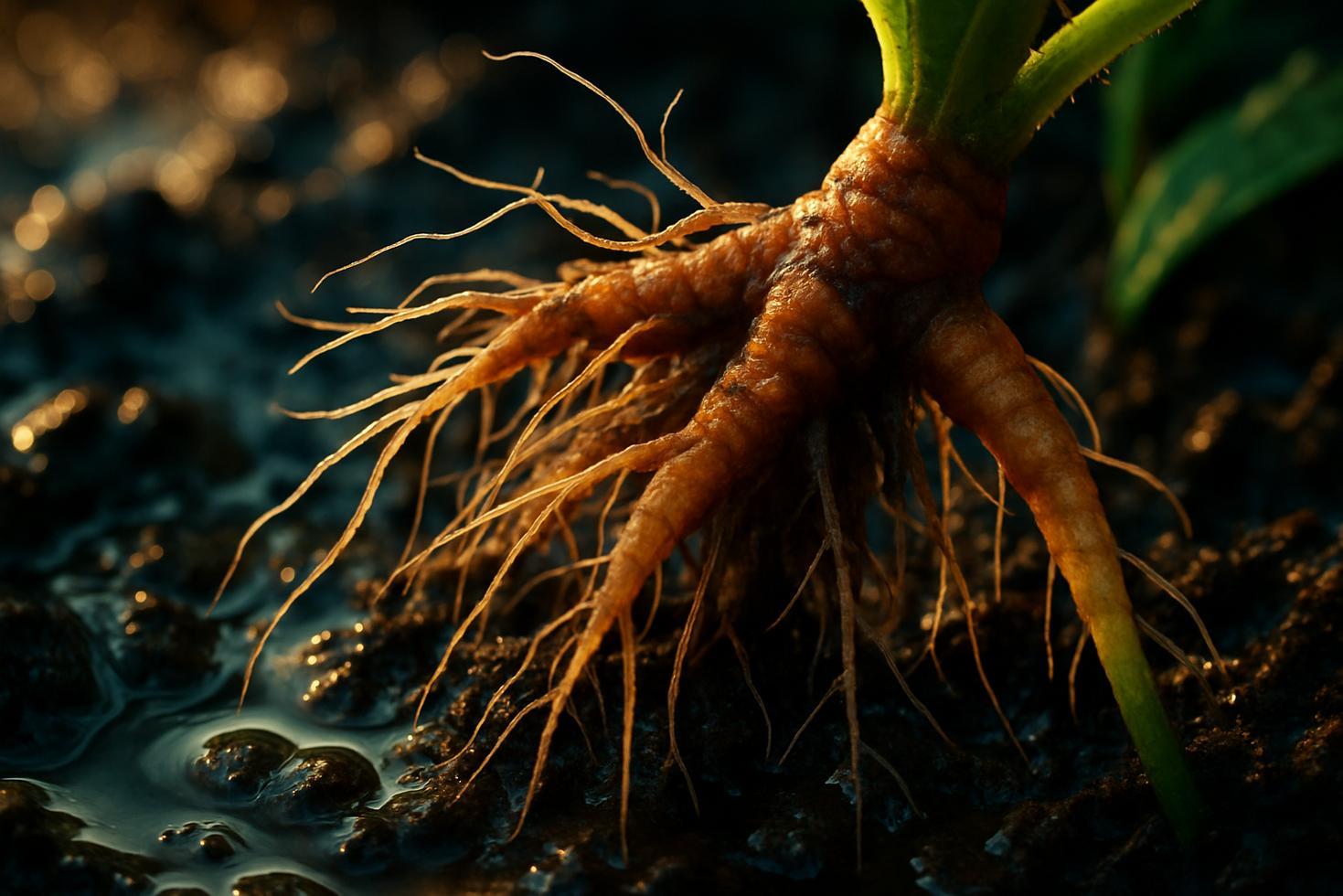
Close-up of raindrops hitting dark garden soil with green plant leaves glistening in the foreground after a storm.

Storm rain carries nitrate and ammonium formed by lightning — arriving at pH 5.6, versus tap water’s 7.5–8. The sky has been running a fertilizer operation the whole time. Lightning converts atmospheric nitrogen into plant-available nitrate and ammonium, which then fall with raindrops directly into the root zone. That chemistry is what separates a thunderstorm … Read more

What Makes Catnip Repel Mosquitoes — and How Does It Compare to DEET?

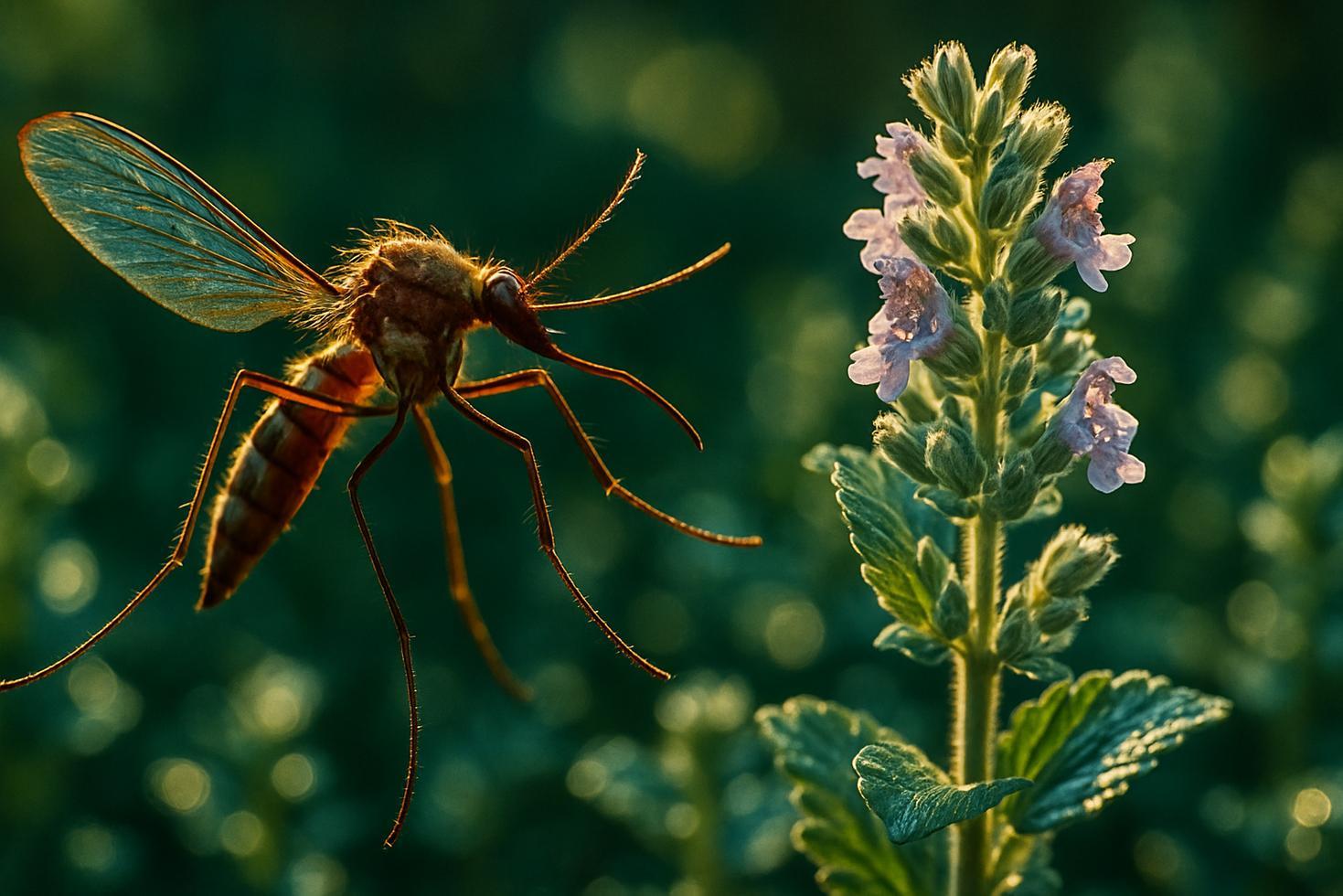
Close-up of catnip plant with small white flowers beside a diagram of a mosquito TRPA1 receptor channel

6% catnip oil lotion matched a commercial 15% DEET product over four hours in Uganda. The active molecule works by triggering the mosquito’s own pain receptor. Nepetalactone, the iridoid monoterpenoid that sends cats into rolling euphoria, repels mosquitoes by activating TRPA1 — the same ion channel that fires when insects encounter burns, stings, or chemical … Read more

Why Are Cashews Always Pre-Processed Before Sale?

Close-up of whole cashews in their shells beside shelled pale cashew kernels on a wooden surface.

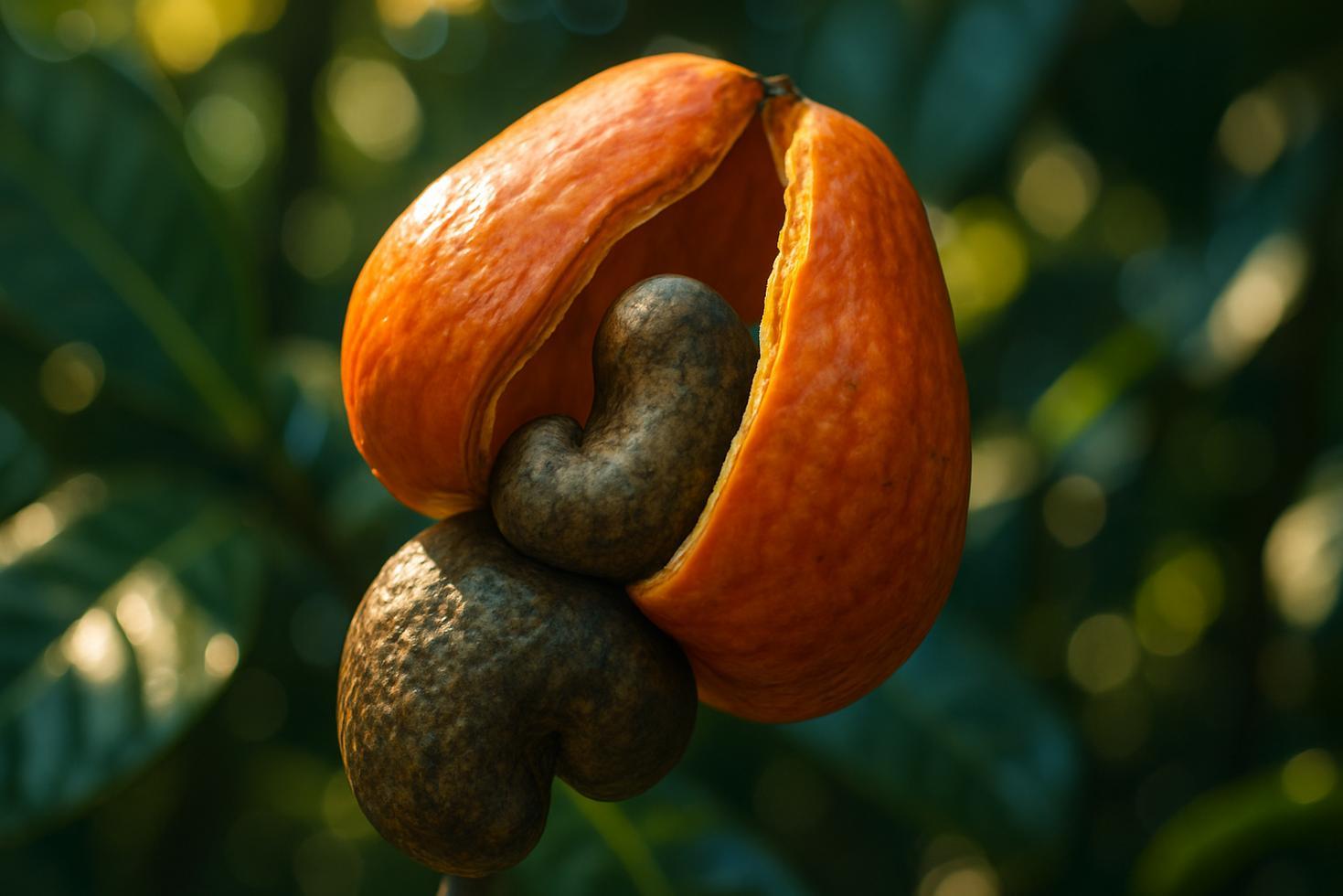
Cashew shells contain urushiol — the same oil in poison ivy. In 1982, 54 people developed poison ivy-like rashes from one under-processed batch. Every “raw” cashew on store shelves has already been heat-treated. Every cashew sold in grocery stores has already been shelled and heat-treated before reaching the shelf — because the shell contains urushiol, … Read more

How Does Curcumin Modulate the Immune System at the Cellular Level?

Close-up diagram of macrophage and T cell signaling pathways with NF-κB, MAPK, and JAK/STAT labels highlighted.

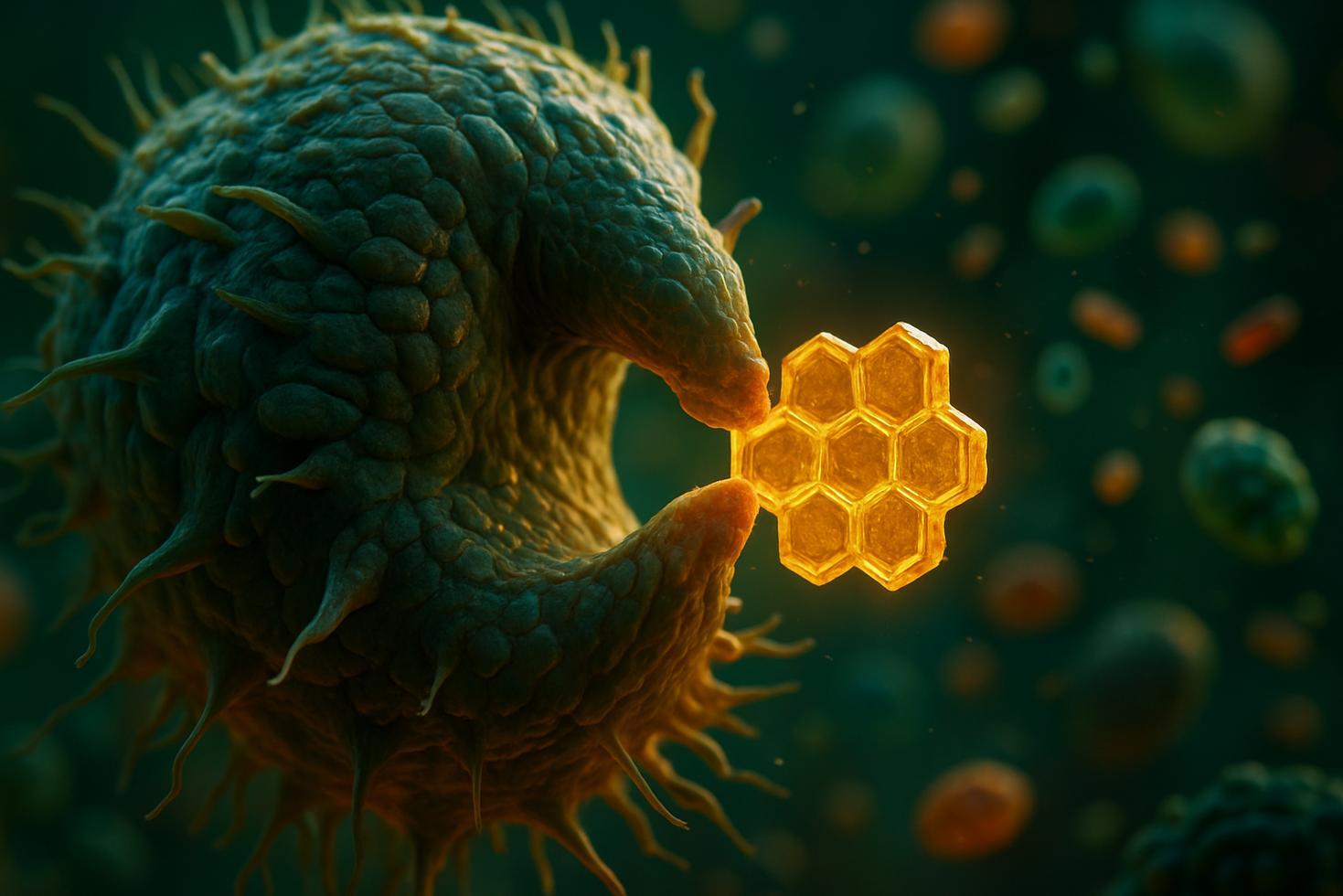
One molecule hits NF-κB, MAPK, and JAK/STAT simultaneously — decreasing regulatory T cells while driving Th1 effector output higher. Suppression and activation, from the same compound. Curcumin, the primary polyphenolic compound in turmeric (Curcuma longa), modulates immune cell behavior by directly interfering with at least four intracellular signaling cascades — NF-κB, MAPKs, JAK/STAT, and Notch-1. … Read more

What Is 6-Gingerol and How Does Ginger Root’s Chemistry Actually Work?

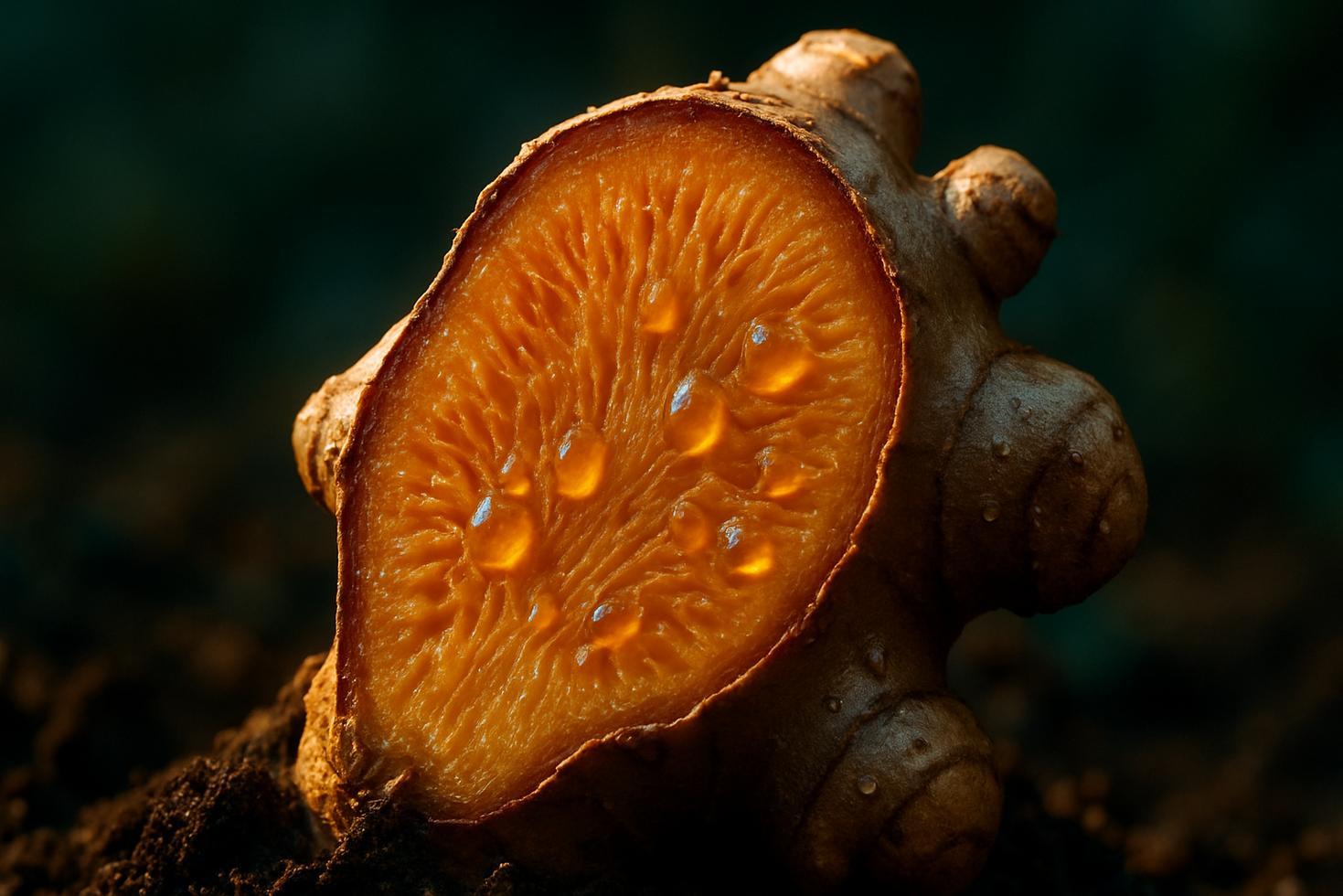
Close-up of whole and sliced fresh ginger root on a wooden surface, showing fibrous interior and knobby skin.

Over 400 natural compounds identified in a single ginger root — and 6-gingerol, the primary active one, works directly on inflammation pathways and nausea receptors in the gut and brain stem. Ginger root contains over 400 identified natural compounds, and its most studied bioactive molecule — 6-gingerol — influences inflammation, oxidative stress, and nausea through … Read more