Why Do Birds Crowd Feeders Before a Storm?

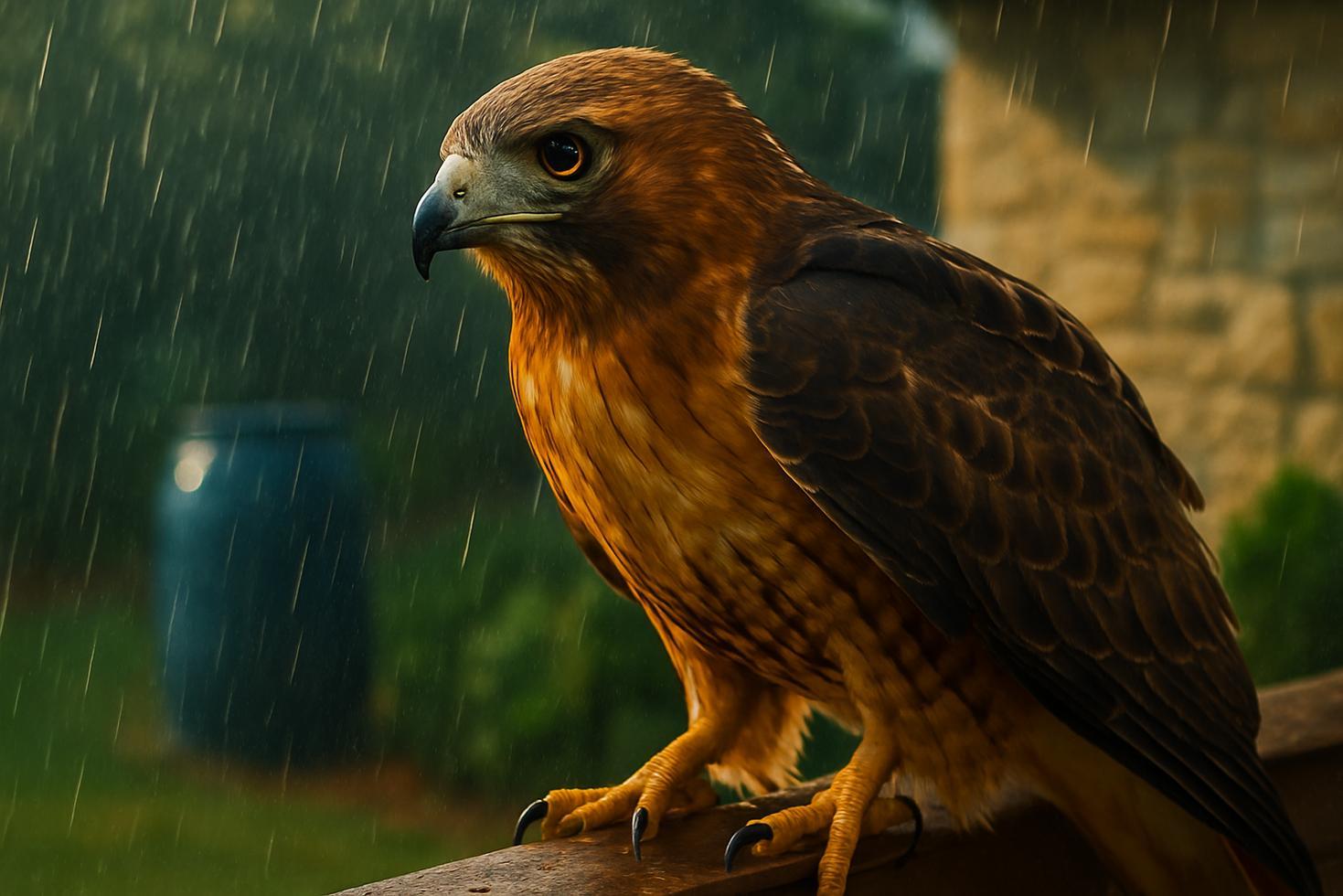
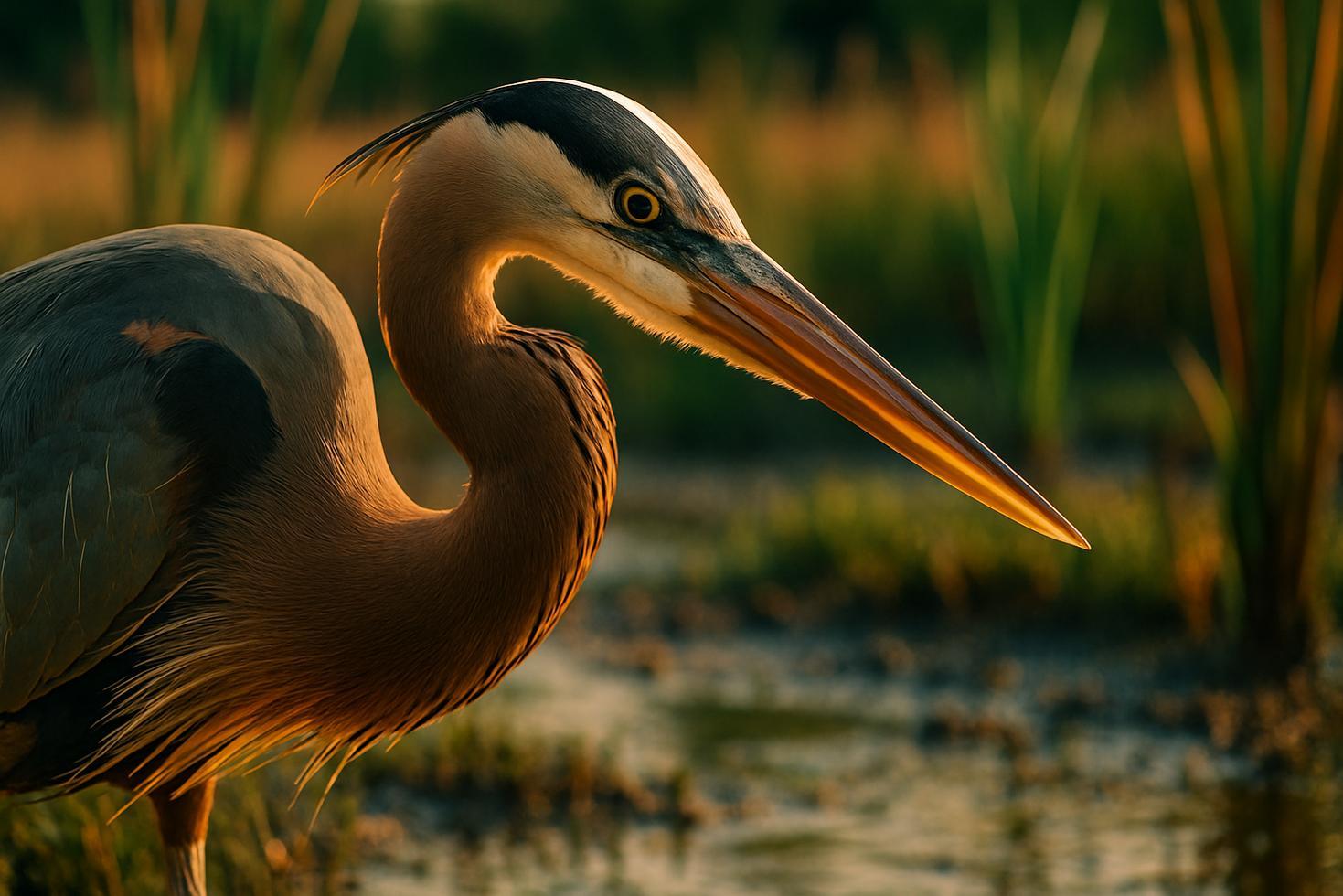
A cardinal and two finches crowding a backyard bird feeder on a clear day with no visible clouds or wind.

Cardinals and finches detect pressure shifts as small as 10–20 mm H₂O — through a fluid-filled middle-ear chamber — up to 24 hours before rain arrives. The storm hasn’t formed. The bird already knows. Birds crowding a feeder before a storm are not reacting to clouds or wind — they are responding to a pressure … Read more
Does Crushing Citronella Grass Actually Release Mosquito-Repelling Oil?

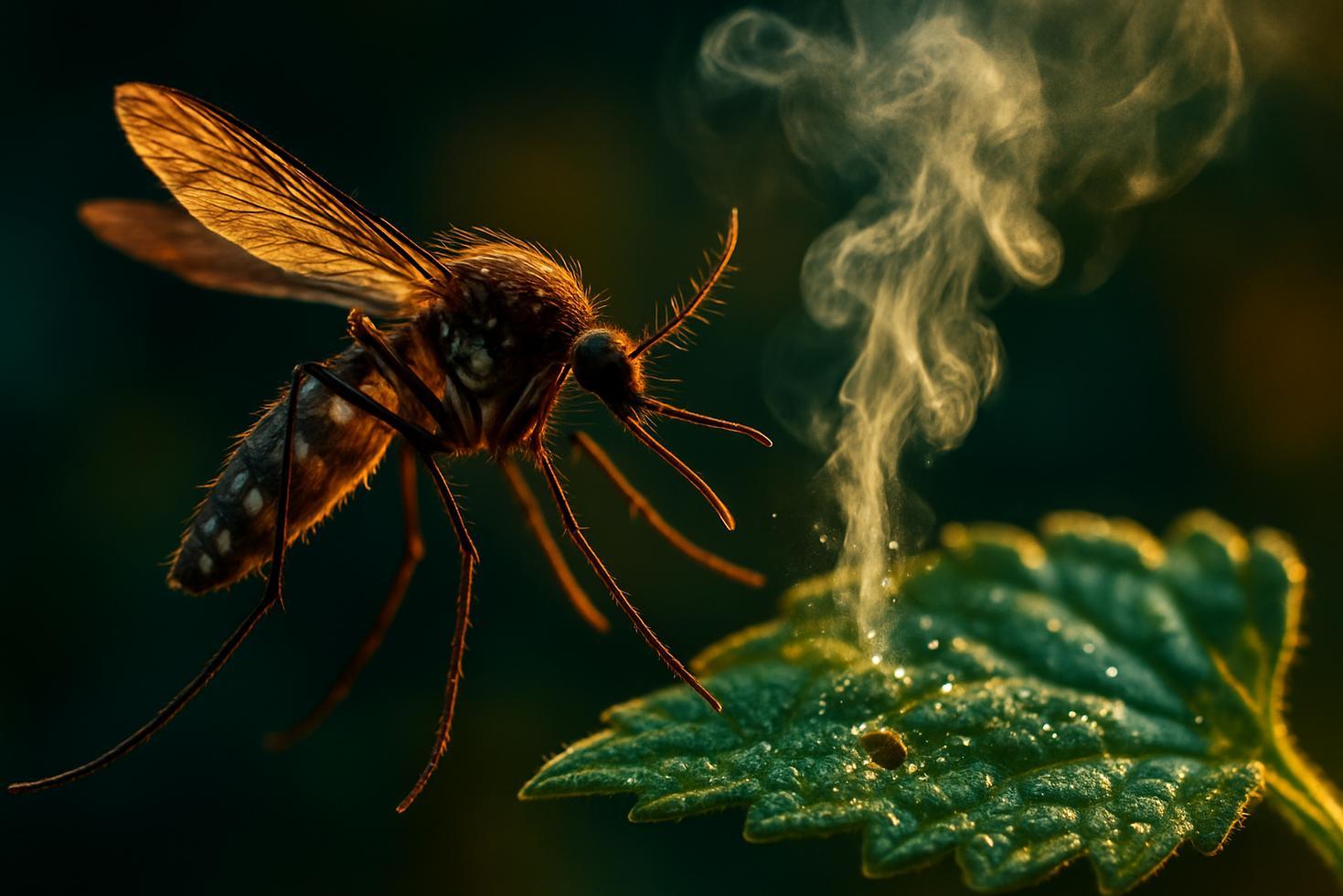
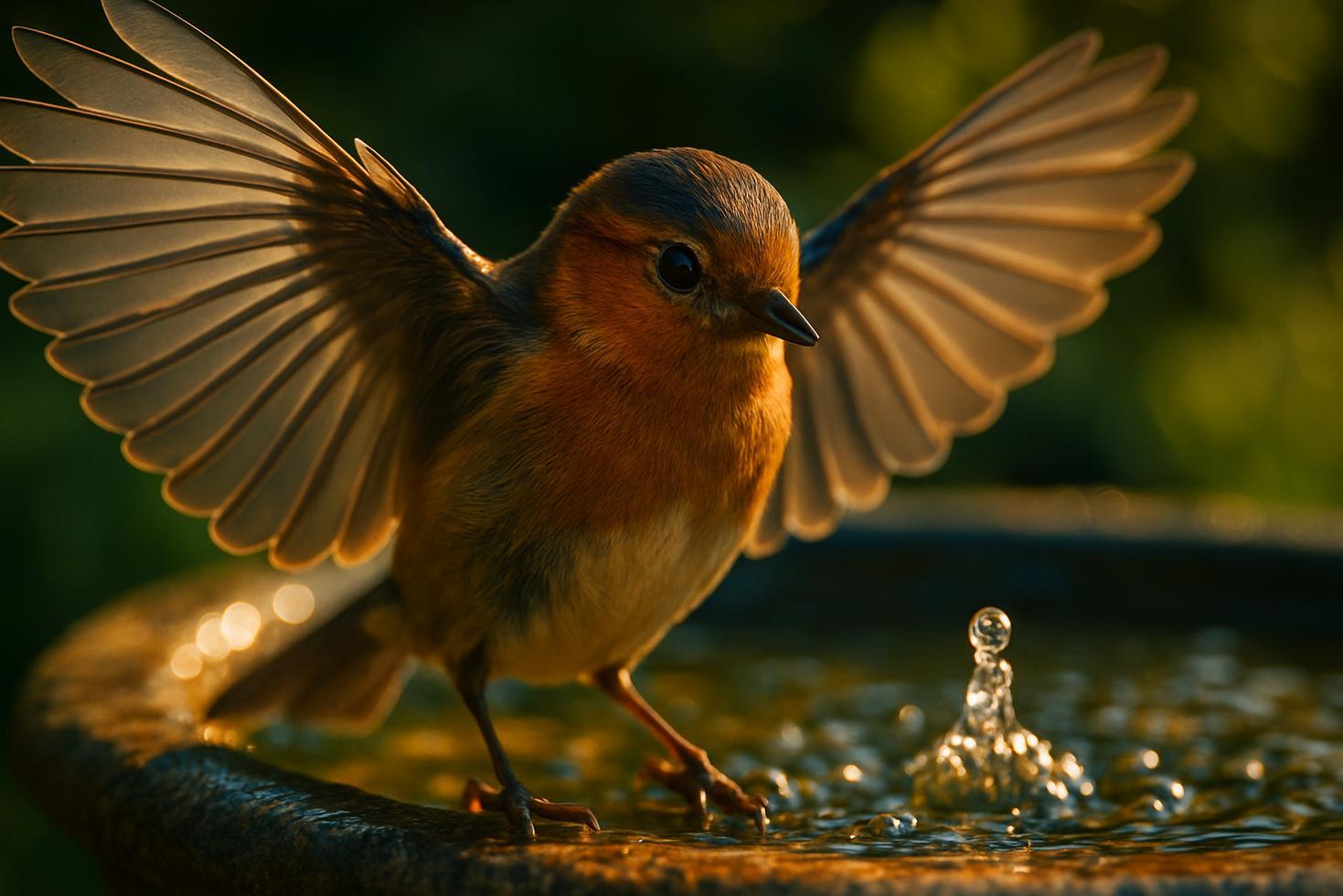
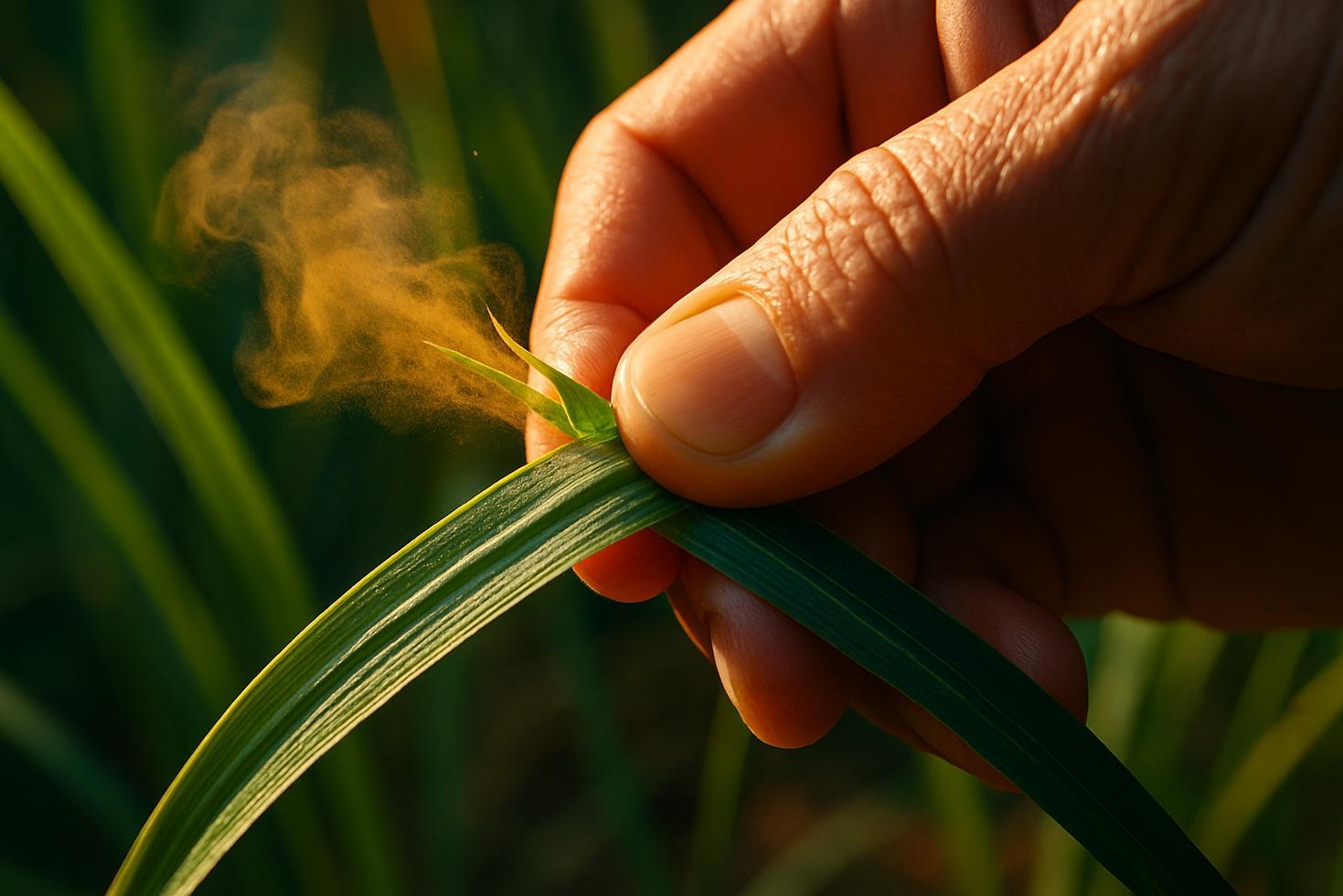
Close-up of bruised citronella grass leaves releasing visible oil droplets against a blurred green background

Citronella grass releases nearly zero repellent from intact leaves — bruising breaks cell walls, flooding the air with citronellal that disrupts a mosquito’s sense of smell within a 30-minute to 2-hour window before fully evaporating. An intact citronella grass plant releases almost no repellent into the surrounding air. The oils stay locked inside leaf tissue … Read more

Why Does Catnip Repel Mosquitoes — and Does It Have to Be Crushed?

Close-up of a crushed catnip leaf with small oil-bearing glands visible on the surface, releasing visible moisture.

Catnip’s nepetalactone sits locked in oil pockets beneath the leaf surface. One crushed stem floods the air in seconds. Unbruised, the plant is chemically silent. Catnip releases its mosquito-repelling compound, nepetalactone, only when the plant is physically disturbed — not by simply sitting undisturbed in a garden. That single mechanical fact separates a working repellent … Read more

How Did Genetic Rescue Pull Florida Panthers Back From the Brink?

A Florida panther walking through a concrete wildlife underpass tunnel beneath a highway at night, captured on camera.

8 Texas females released in 1995. A population of 20–30 inbred cats climbed past 200. The bloodline didn’t just survive — it rebuilt itself. In 1995, wildlife managers released eight female Texas pumas into south Florida, crossing them with a Florida panther population so genetically depleted it numbered roughly 20–30 individuals. The results reshaped what … Read more

Do Tarantulas Share Their Burrows With Frogs?

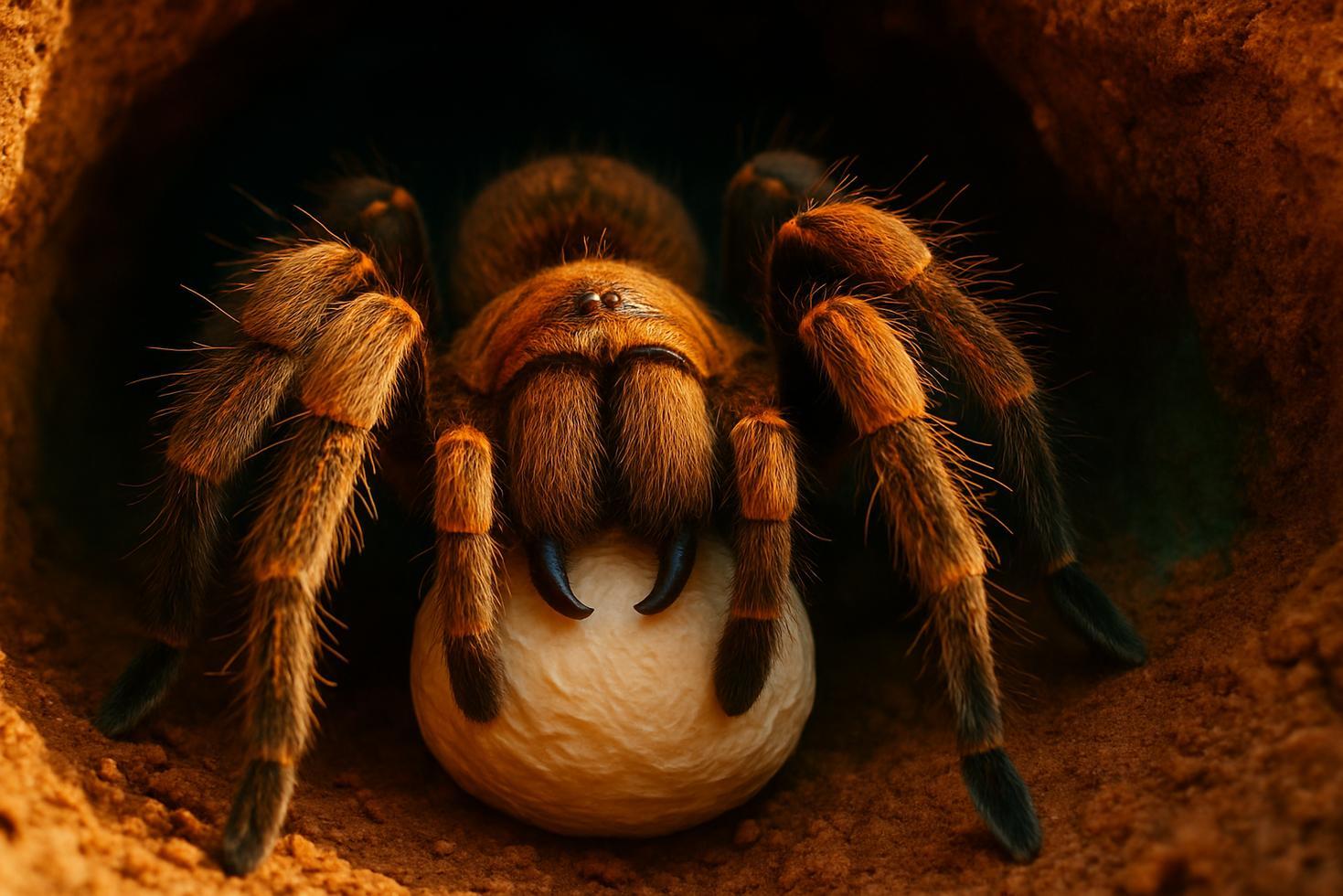
A small brown microhylid frog sits near the entrance of a dark earthen tarantula burrow in South American soil.

Some burrowing tarantulas — particularly Xenesthis species — cohabit with microhylid frogs whose skin chemicals the spider simply doesn’t register as prey. The frog eats egg-raiding ants. Neither animal chose the arrangement. Some burrowing tarantulas do cohabit with small microhylid frogs, and the relationship benefits both animals. It sounds implausible — a spider that could … Read more

Can a Texas HOA Ban Rain Barrels or Rainwater Harvesting Systems?

A brown plastic rain barrel connected to a residential downspout beside a brick home with a garden bed below.

Texas HOAs cannot ban rain barrels outright — a 2011 state law voids any HOA rule that tries to prohibit them, covering an estimated 3.7 million HOA-governed households statewide. Texas Property Code Section 202.007, effective September 1, 2011, prohibits property owners’ associations from banning or restricting the installation of rain barrels and rainwater harvesting systems … Read more

What Makes Celery Leaves More Nutritious Than the Stalks?

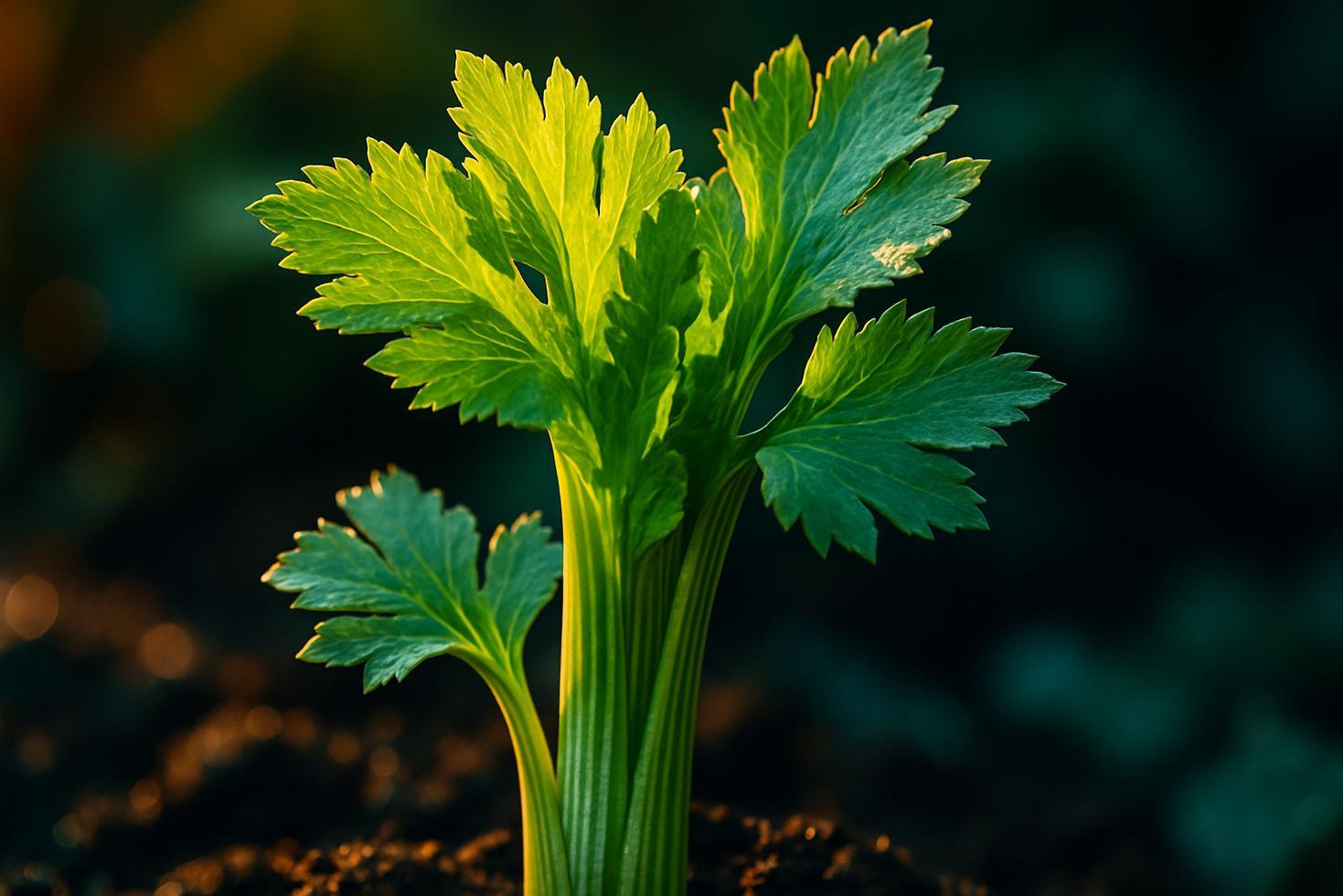
Fresh celery bunch with dark green leaves attached, displayed against a white surface showing both stalks and leafy tops.

Celery leaves carry more calcium, potassium, and vitamin C than the stalks — the green tissue is where the plant concentrates what photosynthesis builds. Most kitchens throw that part away. Celery leaves are more nutrient-dense than the stalks, with higher concentrations of calcium, potassium, and vitamin C per unit of weight. That fact sits quietly … Read more

How Do Celery’s NBP and Apigenin Compare to Pharmaceutical Diuretics?

Close-up of fresh celery stalks with leaves, showing the ribbed green texture of the vegetable on a white surface.

Celery holds two pressure-fighting compounds — NBP and apigenin — that act as diuretics and vasodilators through a mechanism researchers distinguish from the broad fluid flush of drug diuretics. Celery (Apium graveolens) contains two bioactive compounds, 3-n-butylphthalide (NBP) and apigenin, that researchers have identified as both diuretics and vasodilators with antihypertensive effects. That finding sits … Read more

What Happens to Flood-Zone Properties After FEMA Buys Them Out?

Aerial view of a restored floodplain meadow with sedge grass and willow shrubs growing on former residential land along a river.

38,000 former flood-zone properties — structures demolished, land deed-restricted forever. Once the pavement breaks apart, the floodplain rebuilds itself within a single growing season. Since 1993, at least 38,000 flood-prone properties have been acquired through FEMA’s Hazard Mitigation Grant Program, their structures demolished and their land permanently deed-restricted from any future development. That number lands … Read more