How Does the Jewel Wasp Control a Cockroach’s Brain With Two Stings?
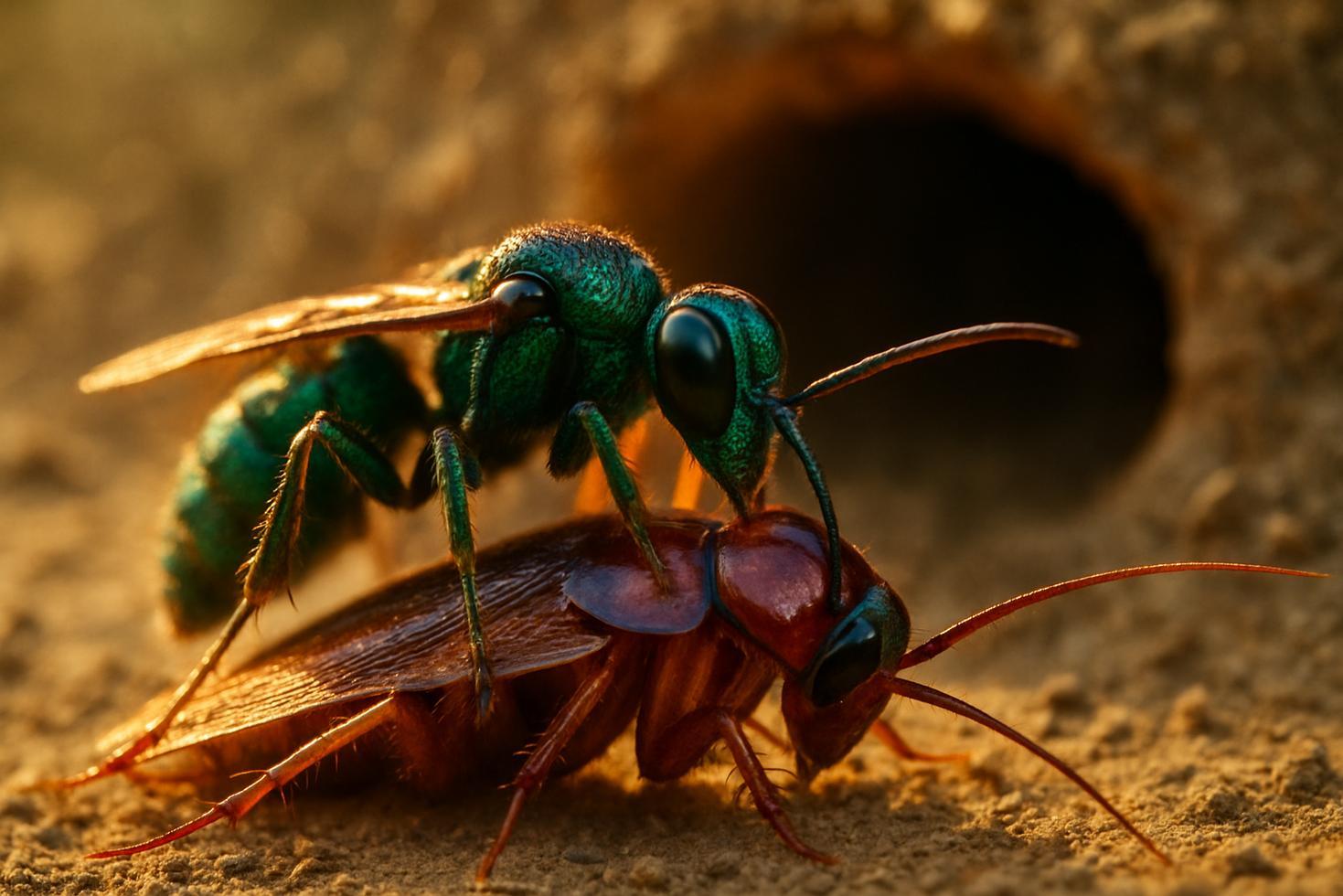
Close-up of an emerald jewel wasp gripping a cockroach and delivering a sting to the roachs head region

Two stings. One suppresses escape circuitry. The cockroach walks itself into a burrow on its own legs — a living host for up to 7 days. The emerald jewel wasp (Ampulex compressa) does not paralyze cockroaches. It delivers two precisely placed stings that suppress the cockroach’s escape motivation while leaving its legs fully operational. That … Read more
How Do Dragonfly Larvae Control Mosquitoes Before They Hatch?

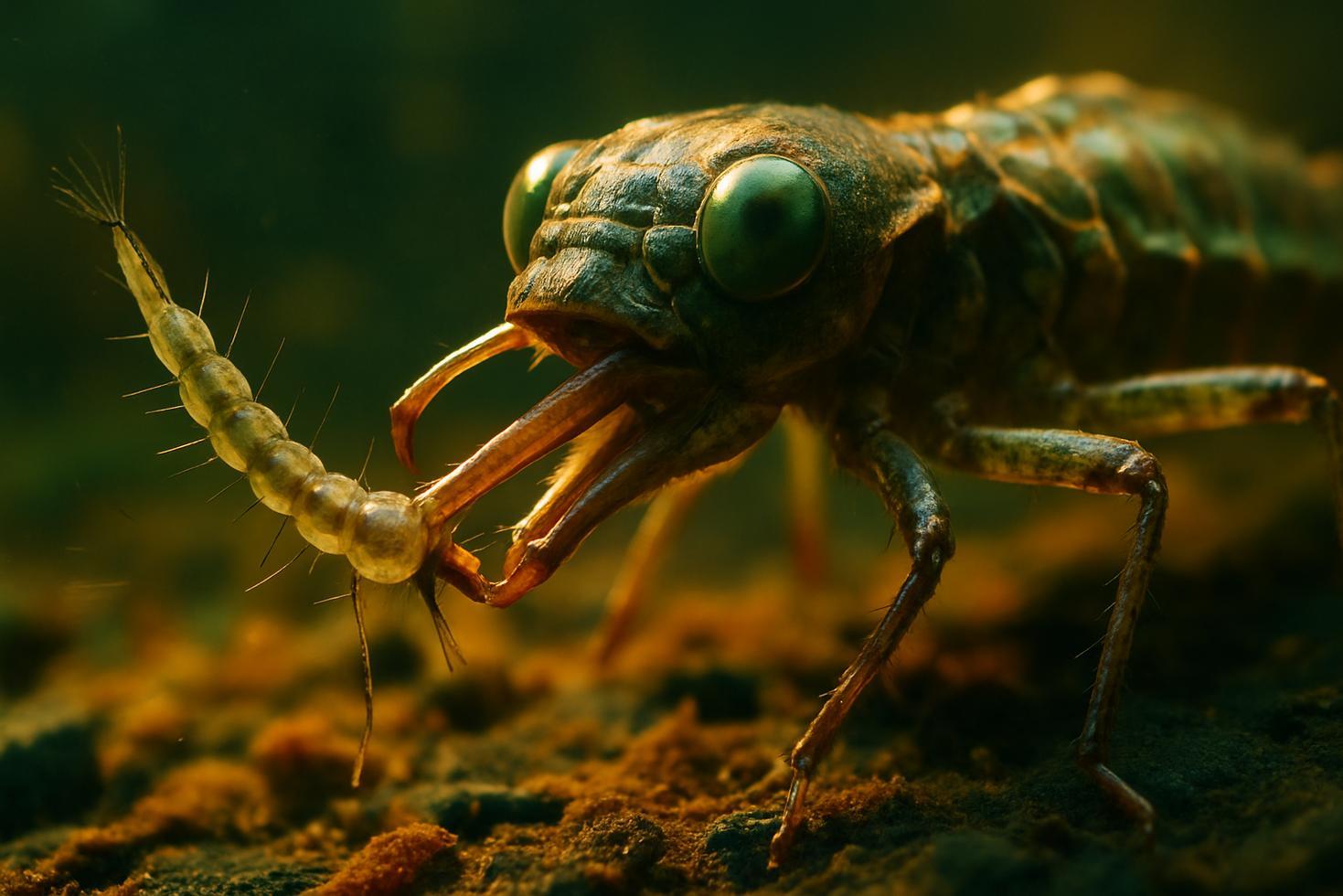
Close-up of a dragonfly larva underwater, its extendable labium jaw partially visible, resting on a muddy pond bottom.

A single dragonfly larva eats an average of 40 mosquito larvae per day — a 45% daily reduction in population — and the strike that does it unfolds in milliseconds. Dragonfly larvae are active mosquito predators underwater, weeks or months before adult mosquitoes ever take flight. A meta-analysis found that a single naiad consumed an … Read more

Why Does Garlic Need Cold Weather to Form Cloves?

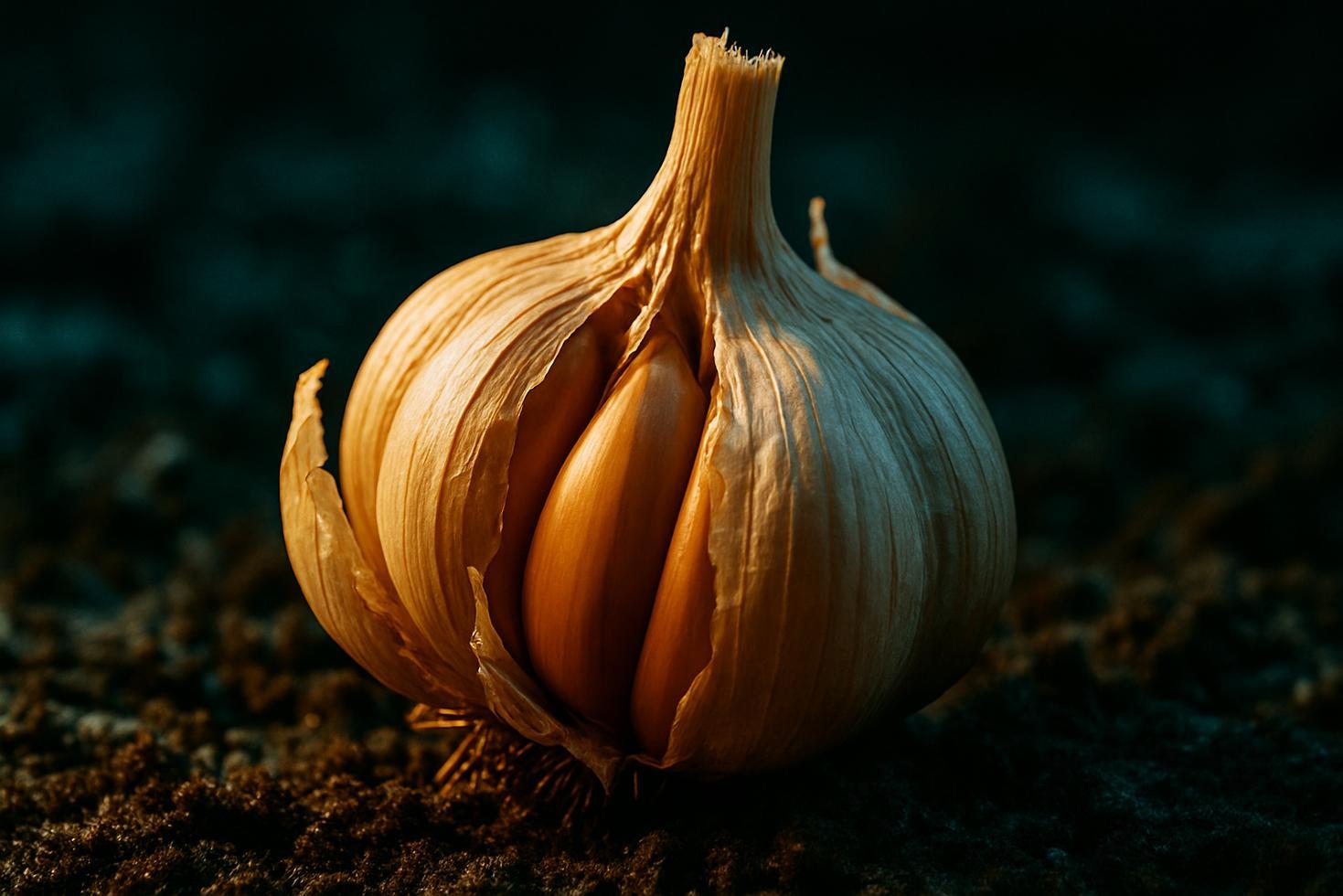
Close-up of garlic bulbs with visible clove segments resting on dark soil beside dried garlic stems.

Garlic clocks 30–40 days at near-freezing temperatures — skip that cold and the bulb stays whole, one dense undivided round. Garlic requires a cold period — called vernalization — to trigger the hormonal shift that splits a single bulb into individual cloves. Without it, the plant doesn’t fail. It grows, puts out leaves, and looks … Read more

Does Limonene From Orange Peel Actually Repel Aphids?

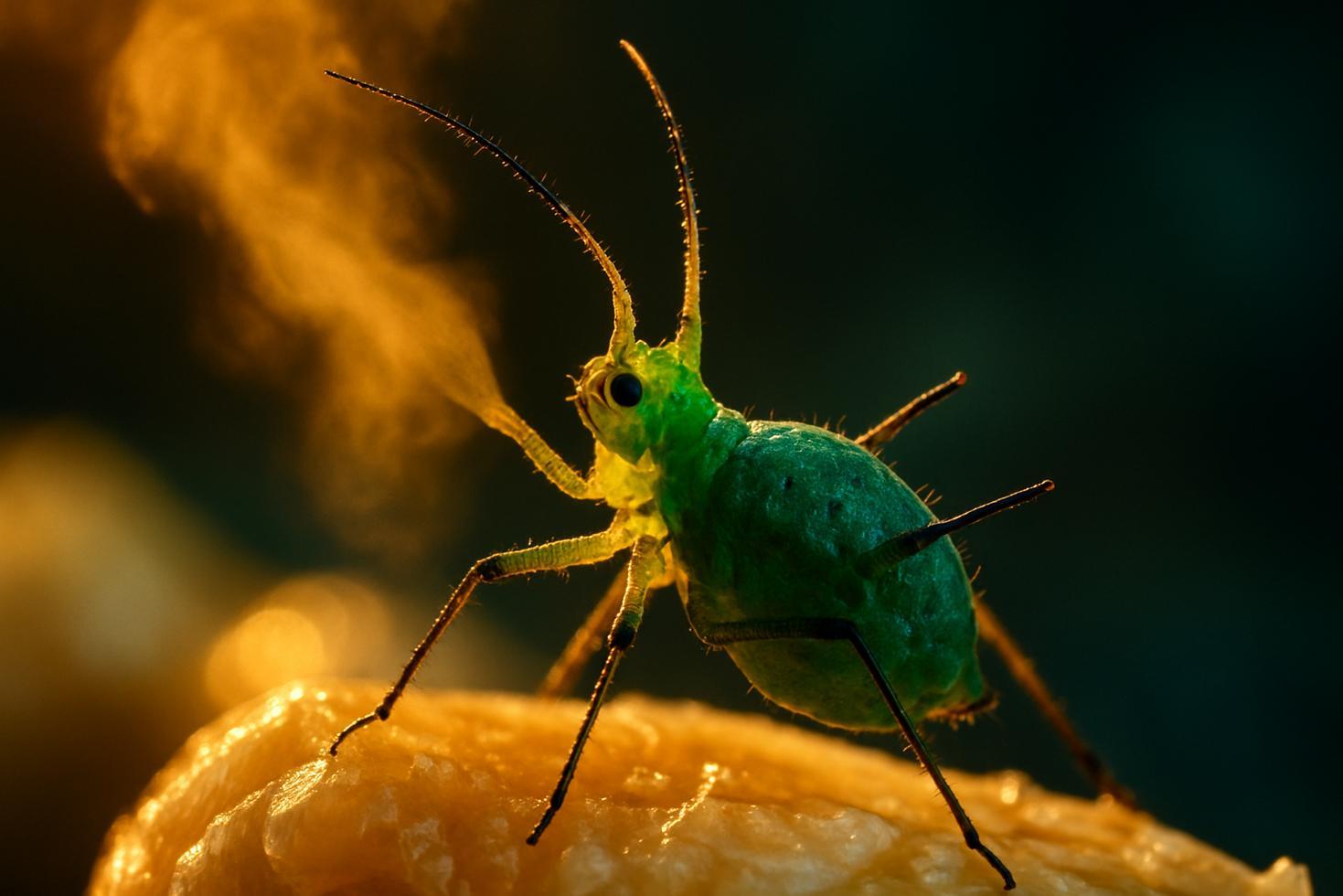
Close-up of a halved orange next to a garlic bulb on a wooden surface, with a green aphid-covered stem visible behind them.

Limonene scored RI 15 in peer-reviewed aphid tests — far below the RI 70 threshold for real repellency. Garlic’s diallyl disulfide cleared that bar. Citrus gets the credit. Sulfur does the work. In controlled laboratory testing, limonene — the dominant volatile in orange and lemon peel — registered a repellency index of 15.0 against vegetable … Read more

What Actually Happens When a Banana Peel Is Buried in Soil?

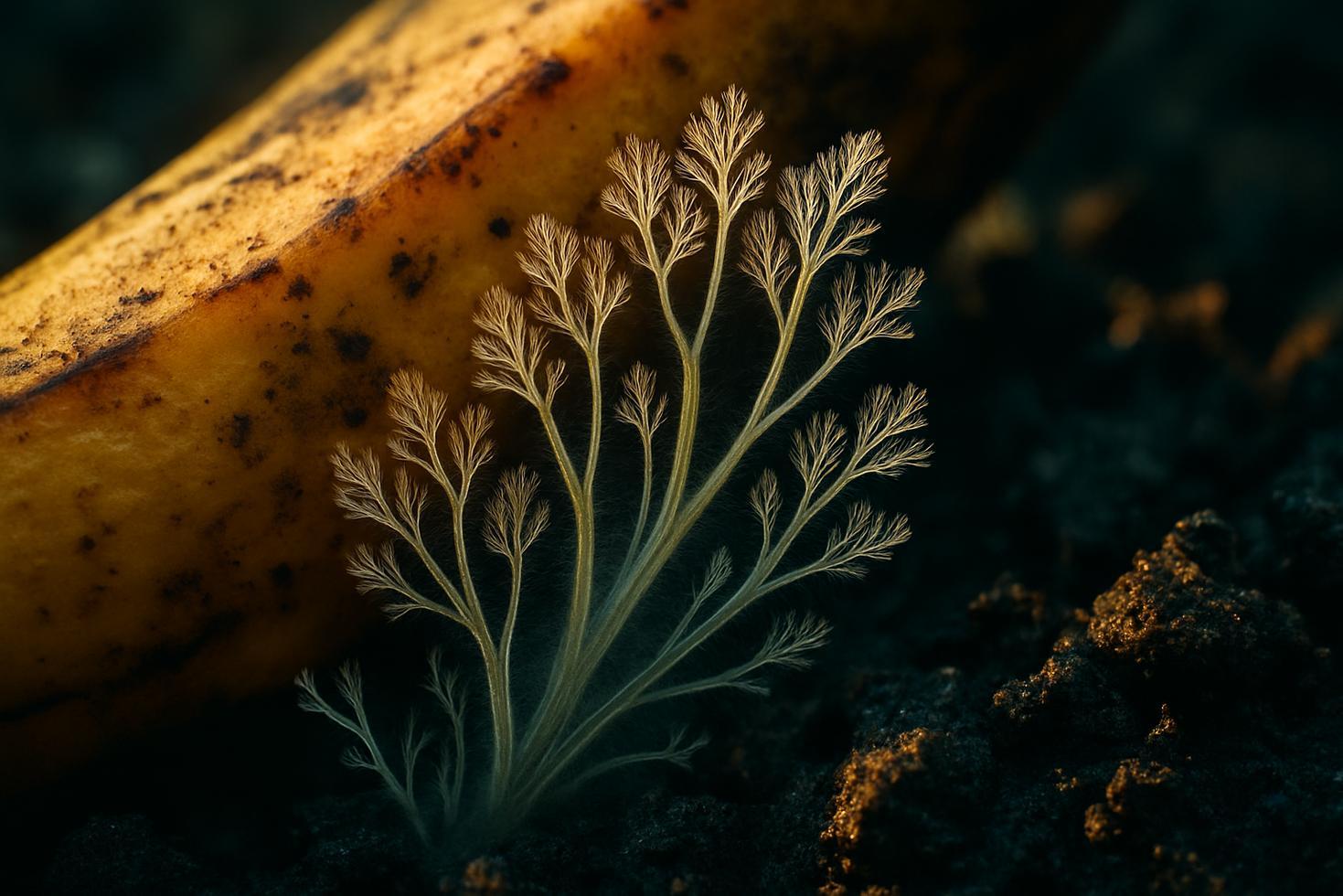
Close-up of a banana peel buried in dark garden soil surrounded by visible root threads and organic matter

Buried whole, a banana peel feeds microbes for weeks — plants get nothing until decomposition is nearly complete. A banana peel buried in garden soil is not a fertilizer. It is a food source for bacteria and fungi, and those microbes must finish their work before any plant can access the nutrients locked inside. That … Read more

Why Does the Male Indigo Bunting Look Blue — and Sometimes Black?

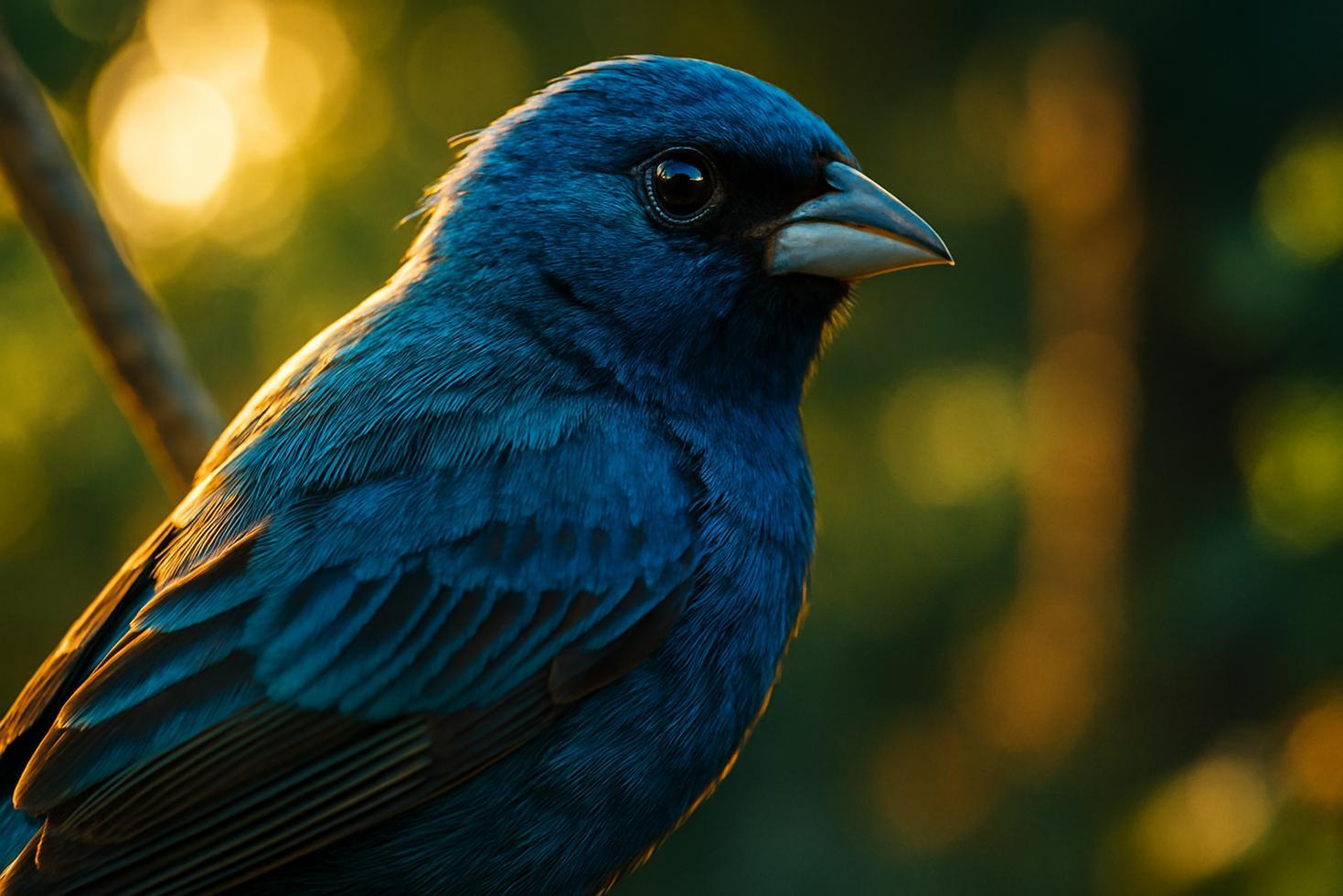
Male indigo bunting perched on a branch in bright sunlight, showing vivid blue plumage against a green background.

Male indigo buntings carry zero blue pigment — feather microstructure bends light to flash azure, then vanishes to pure black when the angle shifts. The male indigo bunting produces no blue pigment anywhere in his feathers. That saturated, electric blue is generated entirely by microscopic structures in the feather keratin that scatter light — and … Read more

What Does Chicken Grit Do in Succulent and Alpine Soil Mixes?

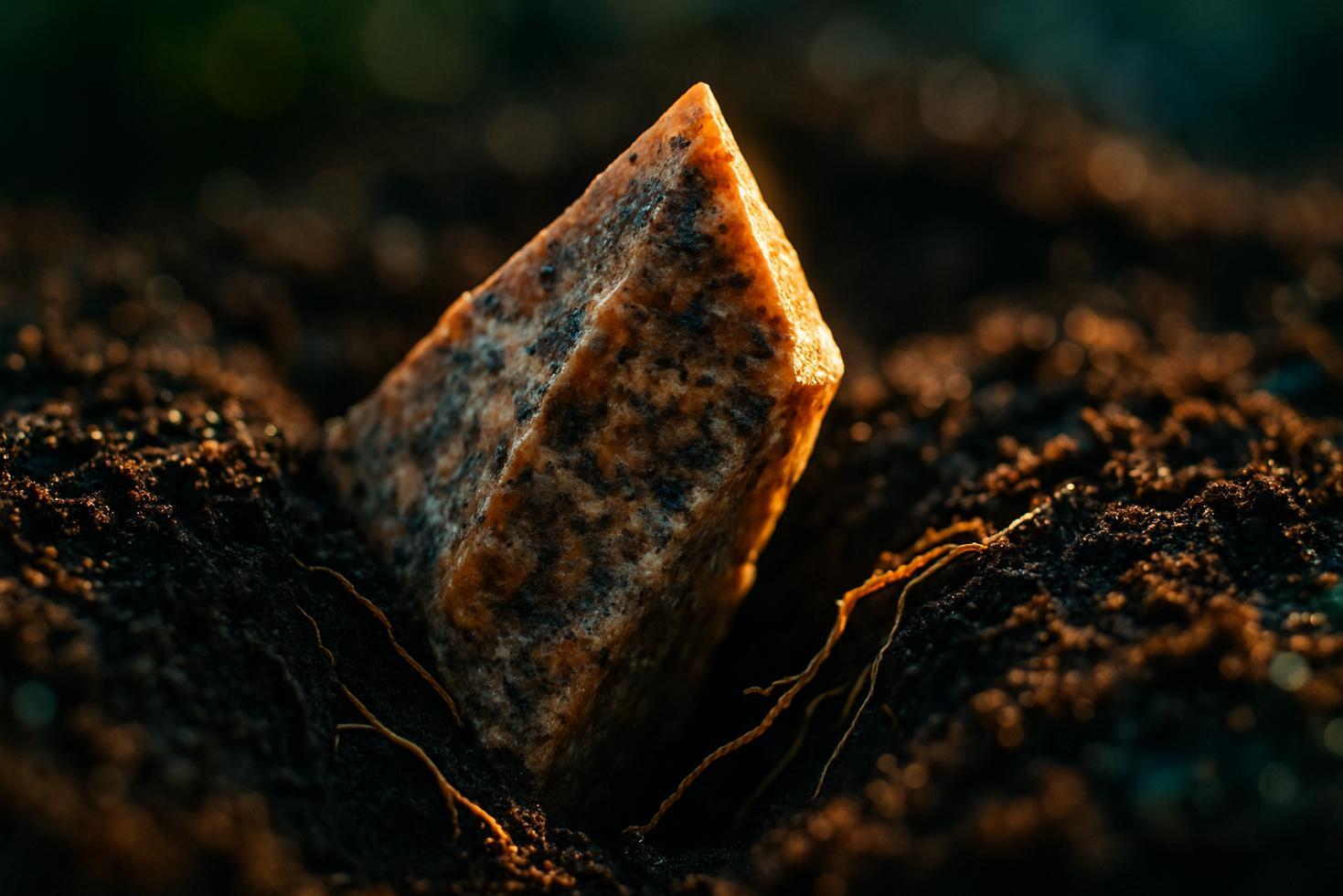
Close-up of coarse granite and flint grit particles, 1–6 mm, scattered across dark potting soil mix.

Crushed granite fed to chickens comes in three sizes — the coarsest fragments, up to 6 mm, wedge soil particles apart and hold gaps open even when the mix is saturated. Chicken grit — crushed granite or flint fed to birds so their gizzards can grind food mechanically — works as a drainage amendment in … Read more